Emma Kunz Decoded
Written on July 7th, 2022 by Tess Gaston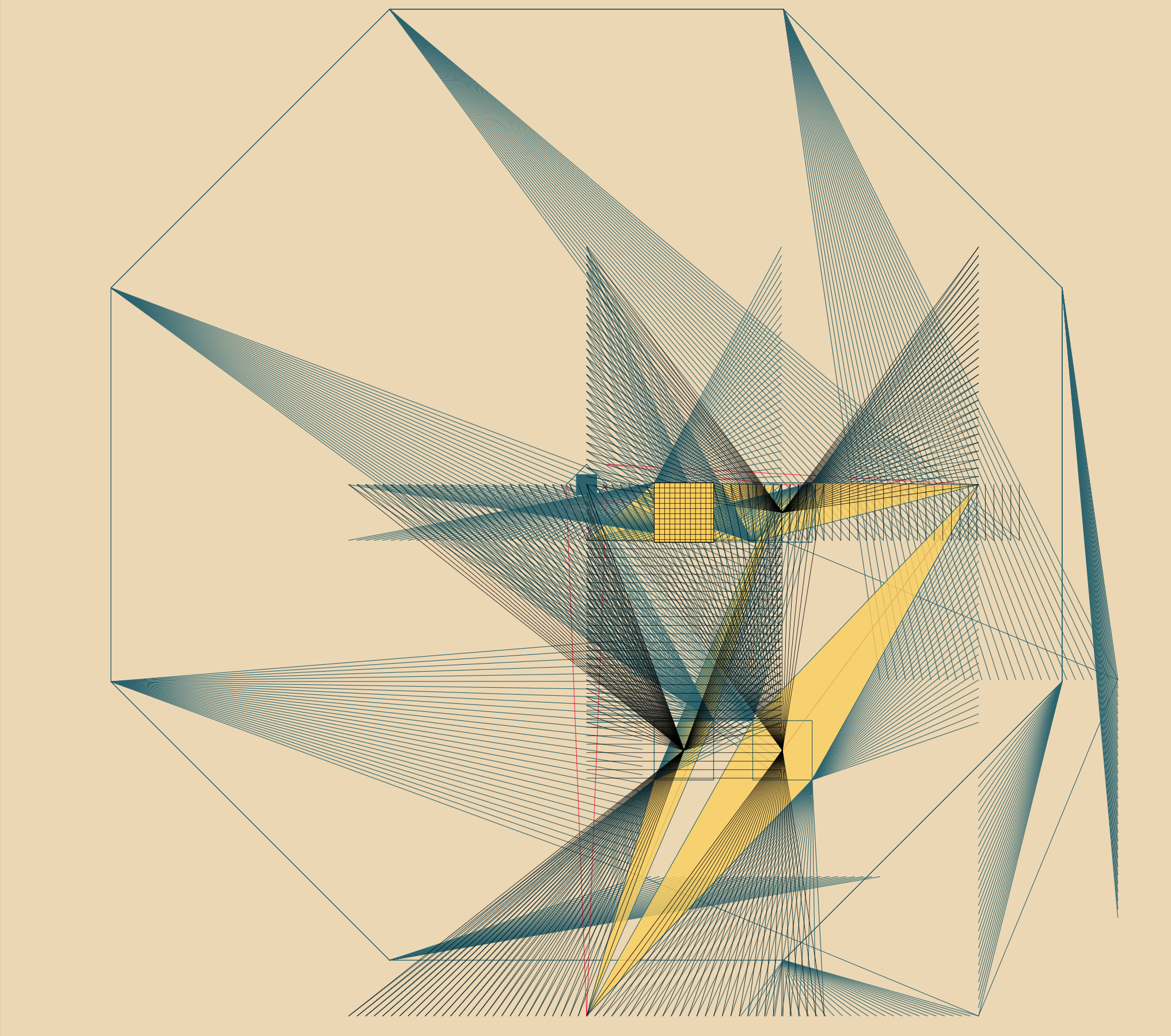
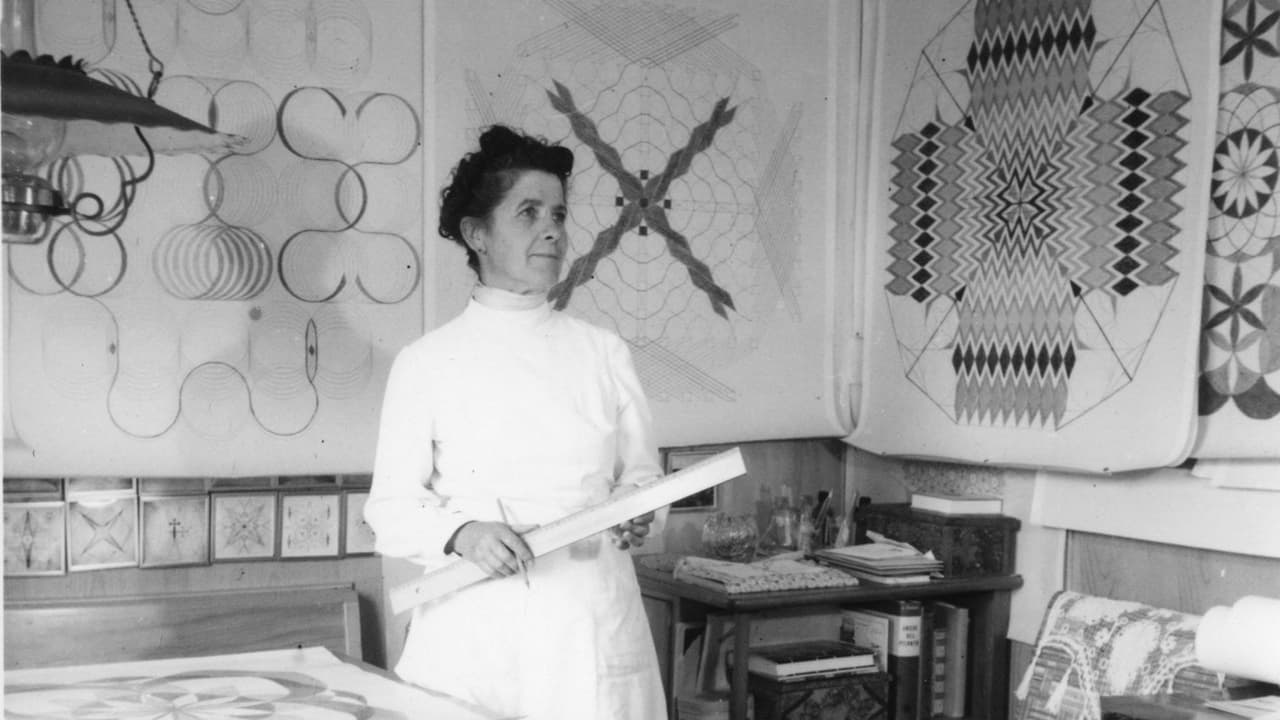
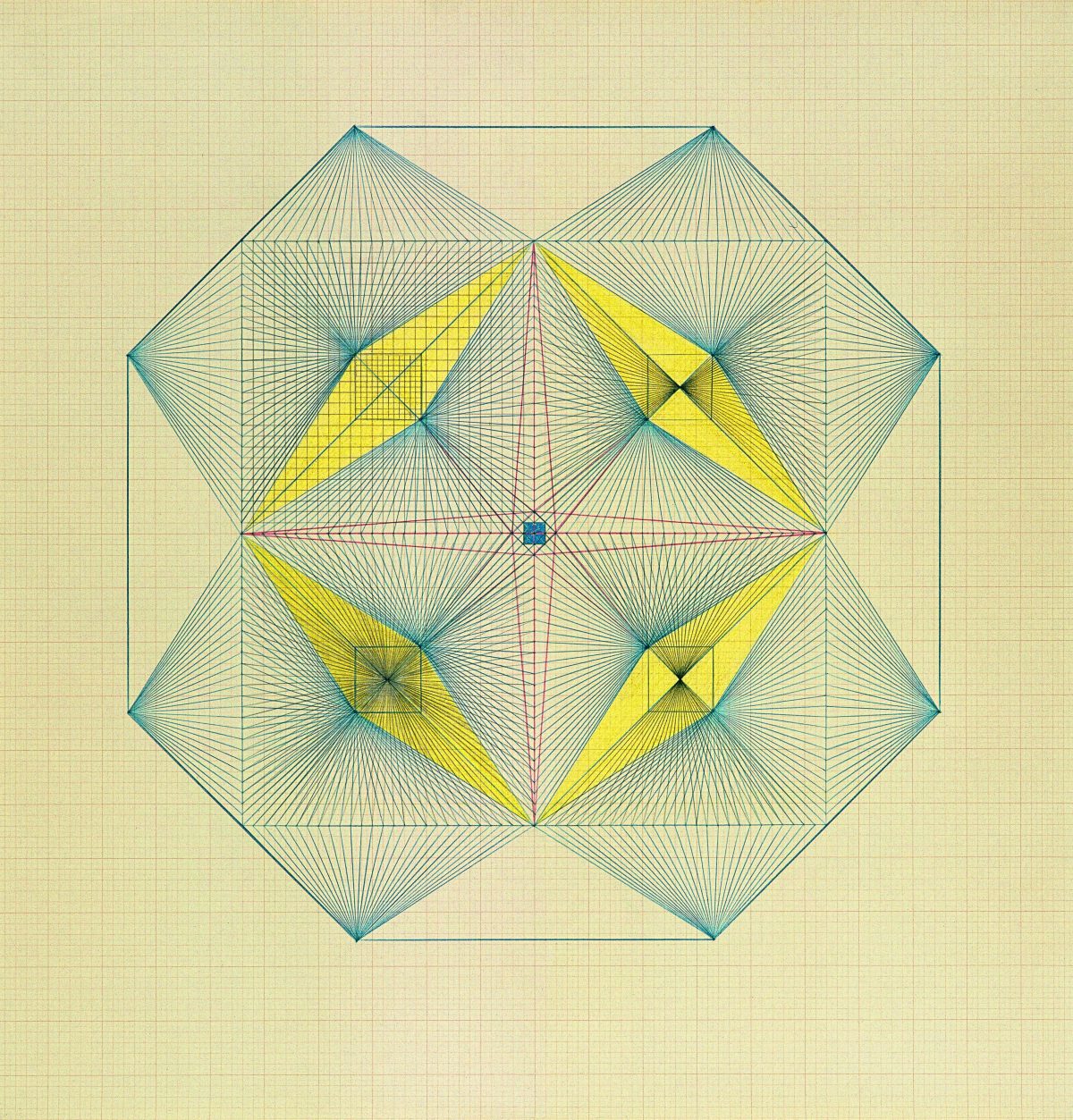
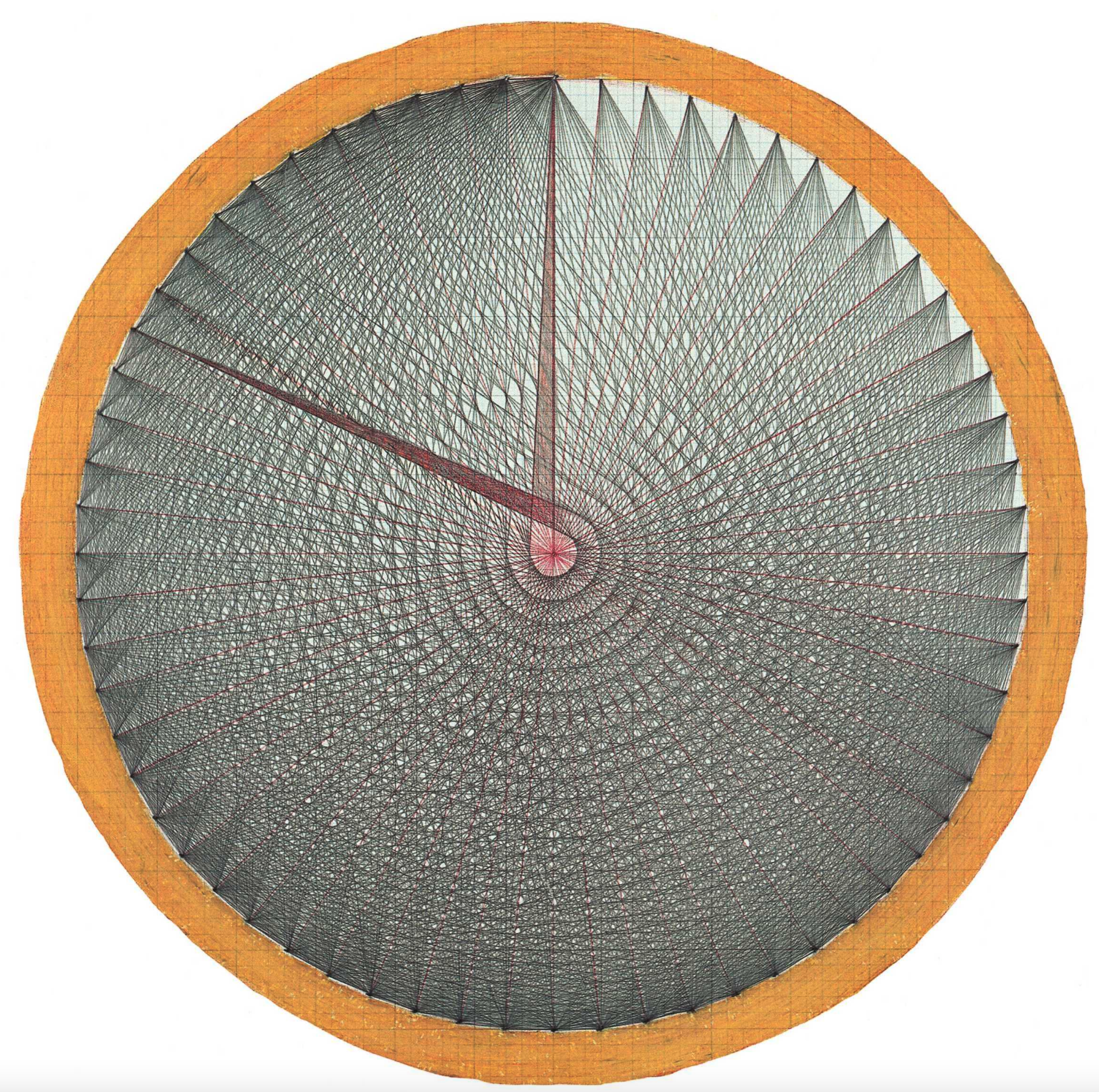
70 years ago researcher, artist and healer Emma Kunz(1892–1963), left behind an amazing body of work, consisting of 400 drawings which she made using radiesthesia. Standing in her studio in front of a blank sheet of graph paper, she would ask a question to the cosmos, and her pendulum would catch the 'response' in the form of energetic forces. She would then document the pendulum’s movements with crayon on the paper, conveying mathematical and spiritual laws of life. She would work non-stop untill the drawing was done, often through the night.
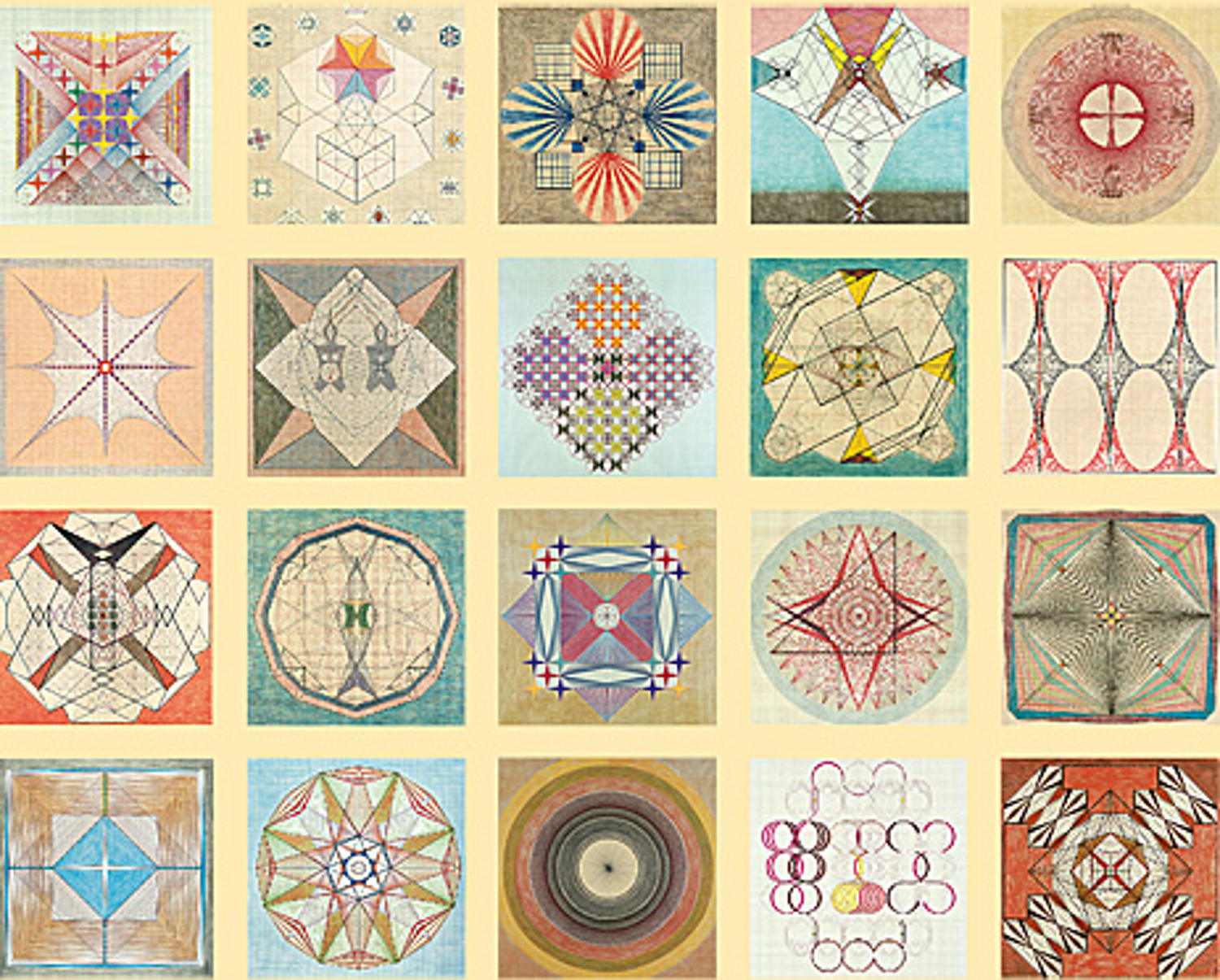
For Kunz, art was a means not an end. She used the drawings as tools of energy in her work as a healer.The drawings are untitled, undated and undescribed, so when we look at her drawings today, all we know is that for her, each represent a divine answer from the Spirit. Neither a literate nor a symbolic, but rather an energetic answer.
We will never know what she learned from these drawings. We can only give them our attention and see what shows up within ourselves.
What did she ask?
What where the responses?
Process and output of the study
Drawn by Emma Kunz's suggestion that her drawings would only be understood in the 21st century, I decided to study, rather than merely appreciate the drawings.
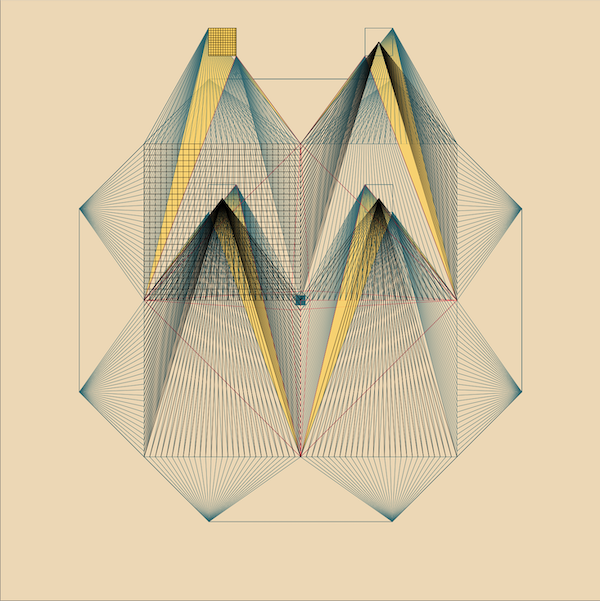
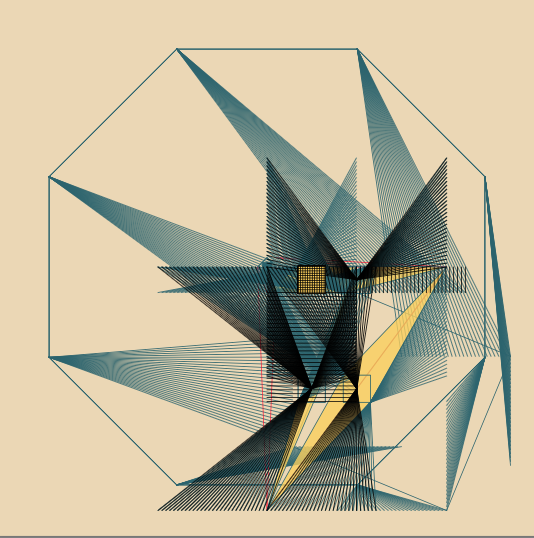
Looking at one of her drawings for the first time, my computational thinking was triggered. Clearly the piece followed some geometrical system, but one that felt rich and unaproachable through everyday logical analysis. I decided to use coding to explore the art further. Coding is a contemporary tool for thinking. By reproducing the drawings in code, I would have to pay attention to every detail and how they relate to the whole.
In the fall of 22 I went to the Emma Kunz museum in Wüerenlos to experience the drawings first-hand. While I was there I walked up to a drawing to examine the join between two lines. A funny looking man interrupted me. He gestured to his chest, smiling. "Don't analyze it. Feel it." was what he told me.
A drawing will initially feel secretive, even deceiving. My attempt to reviel or unlock the drawing, will force me to integrate logic, intuition and subconsciousness. I would go to bed puzzled, after many hours of coding, unable to find the algoritm that would produce the pattern in the drawing. Then wake up knowing exactly how to think about it. I feel robbed somehow, to find that my ability to simply 'feel' the drawing, does not satisfy my curiousity. Embedding my self in the geometic problem of the drawing is what gives me energetic access to the drawing.
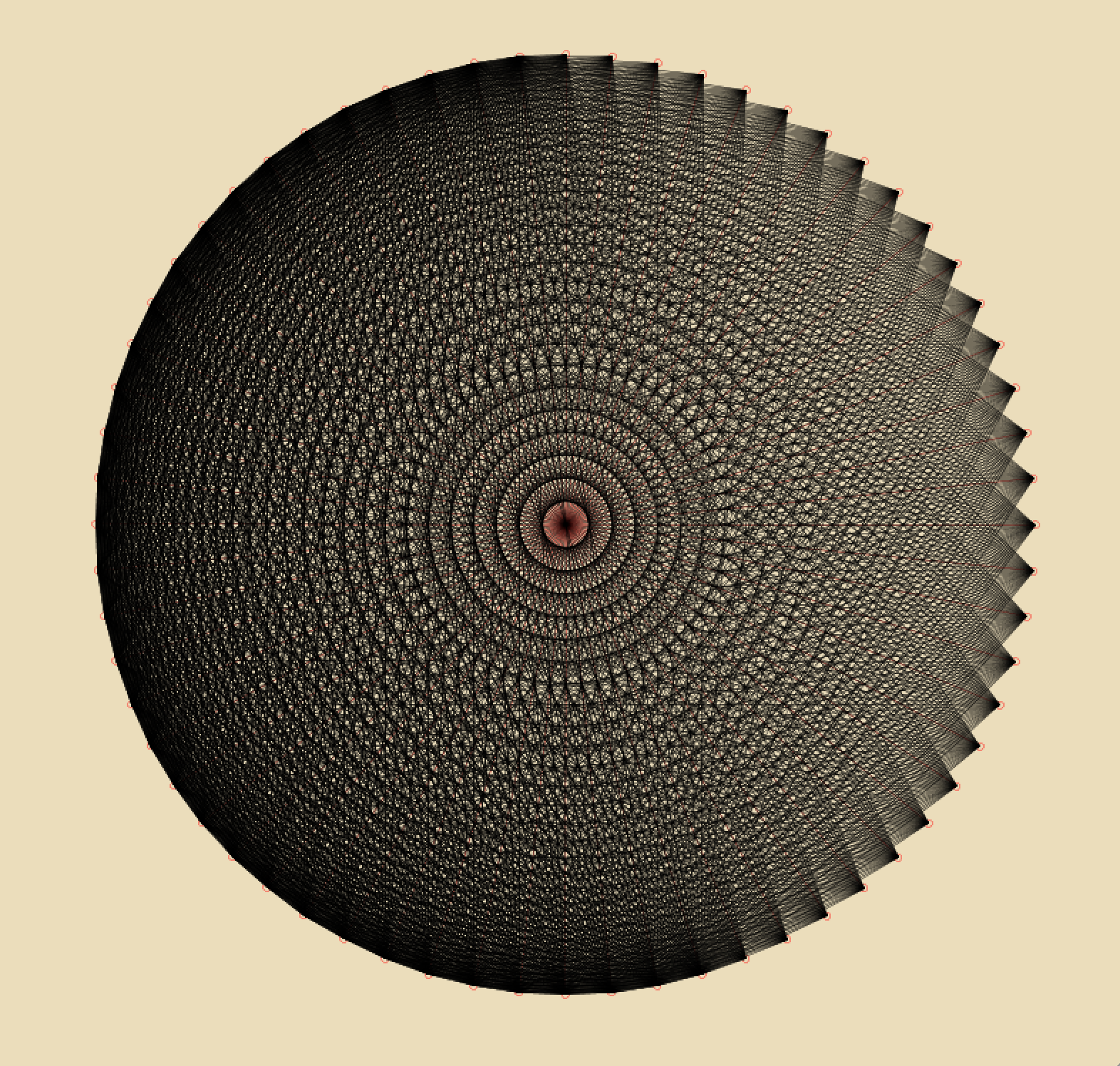
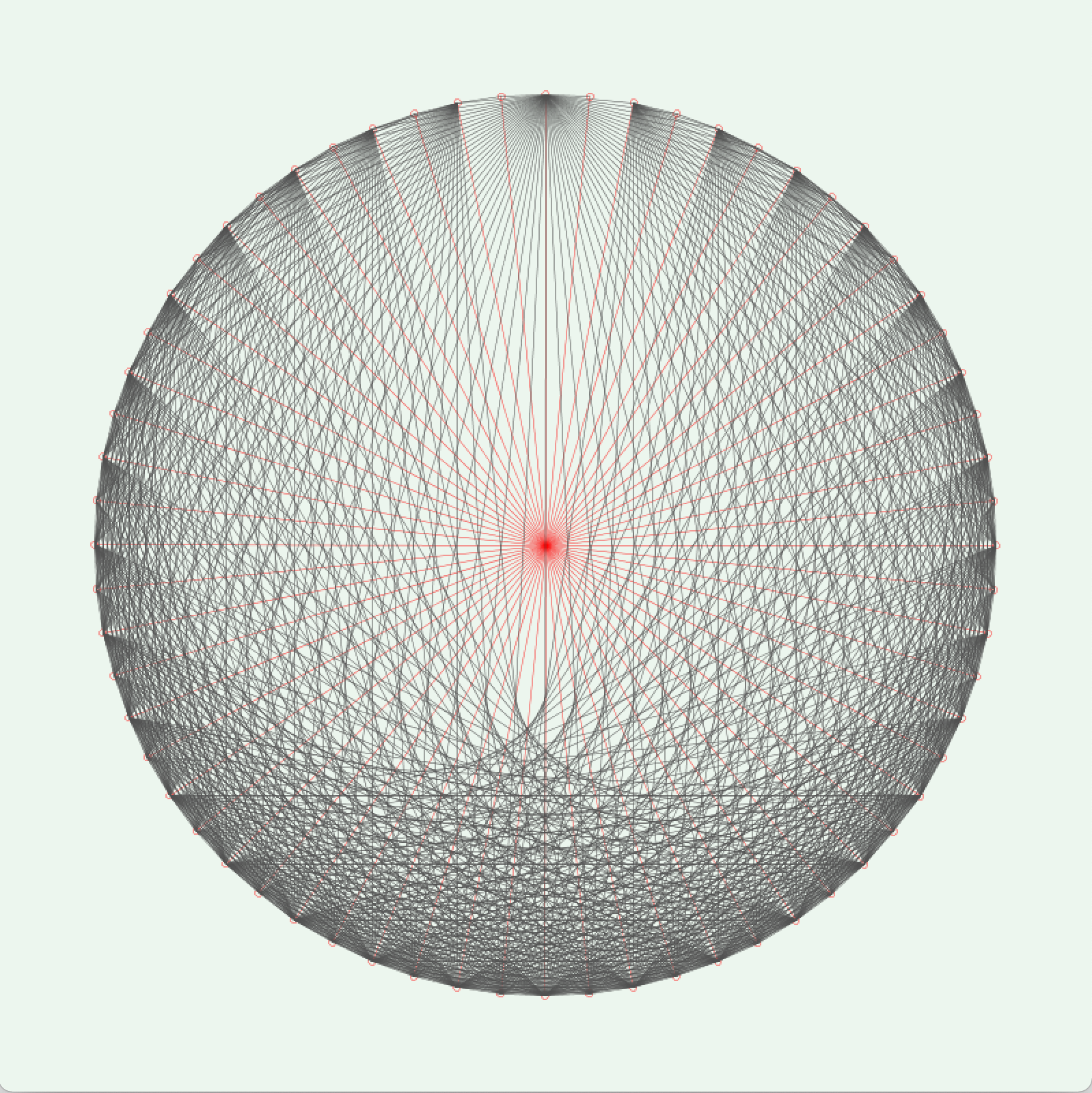
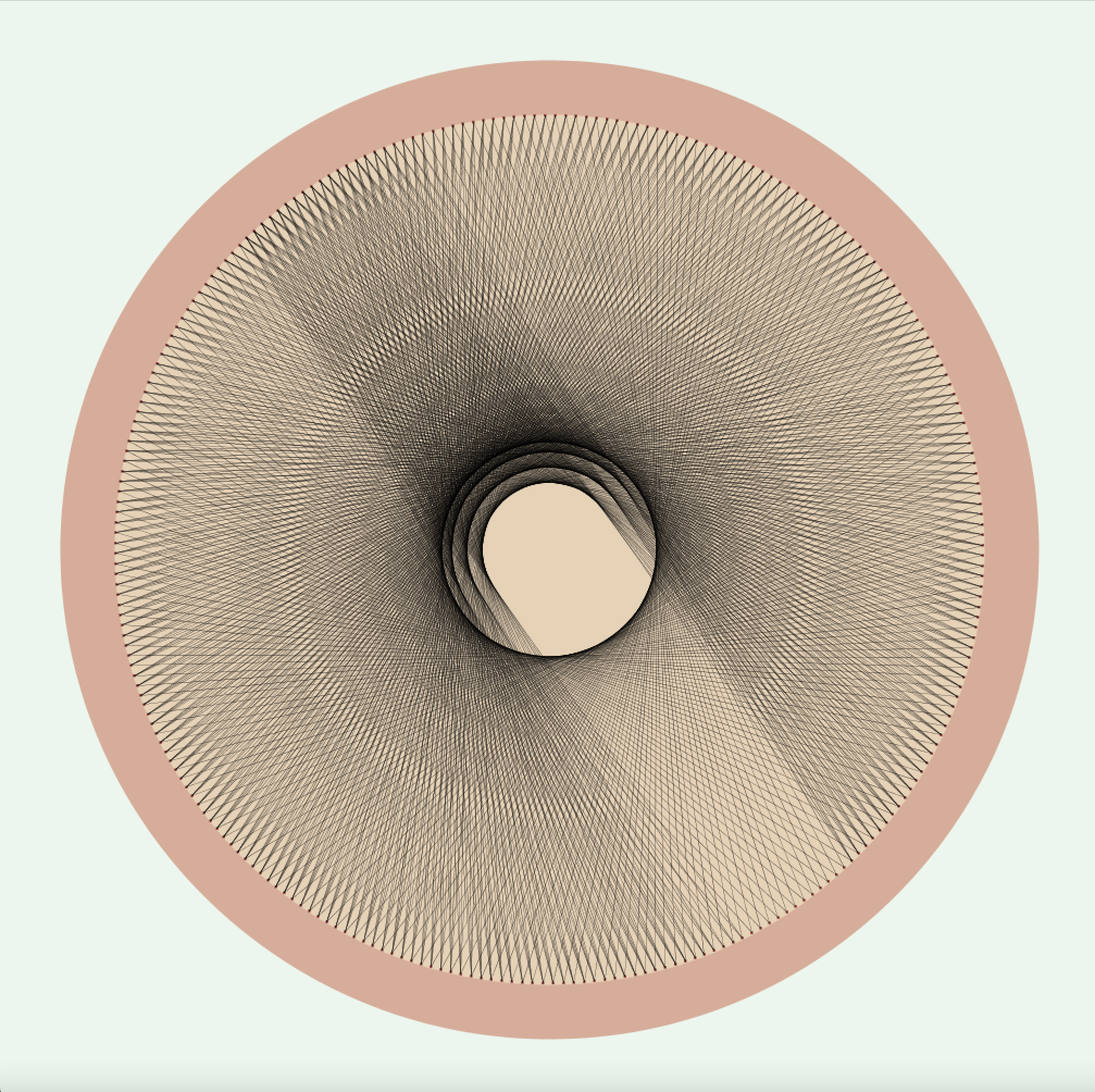
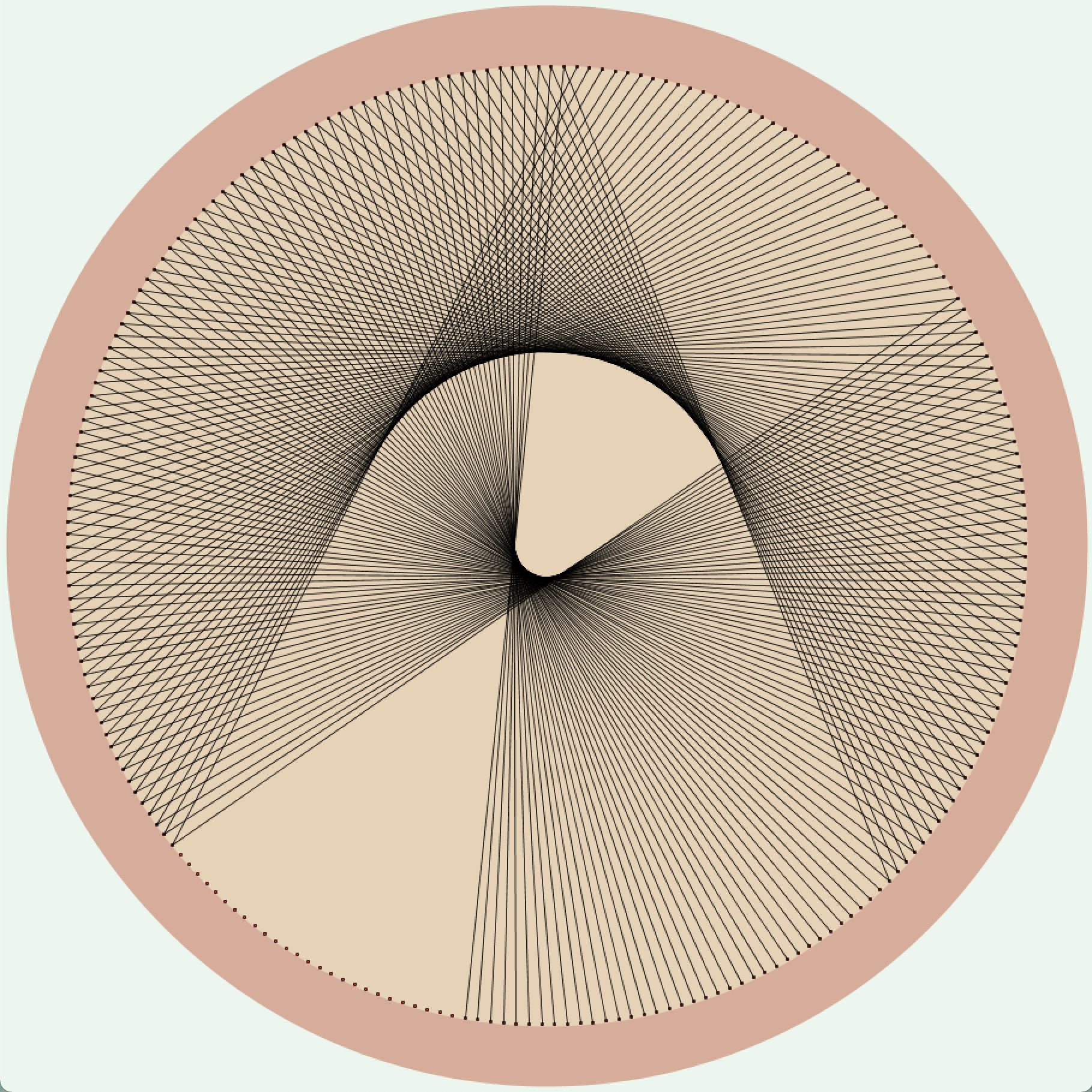
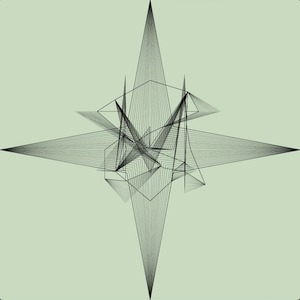
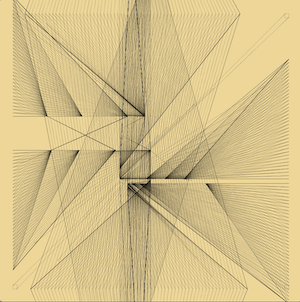
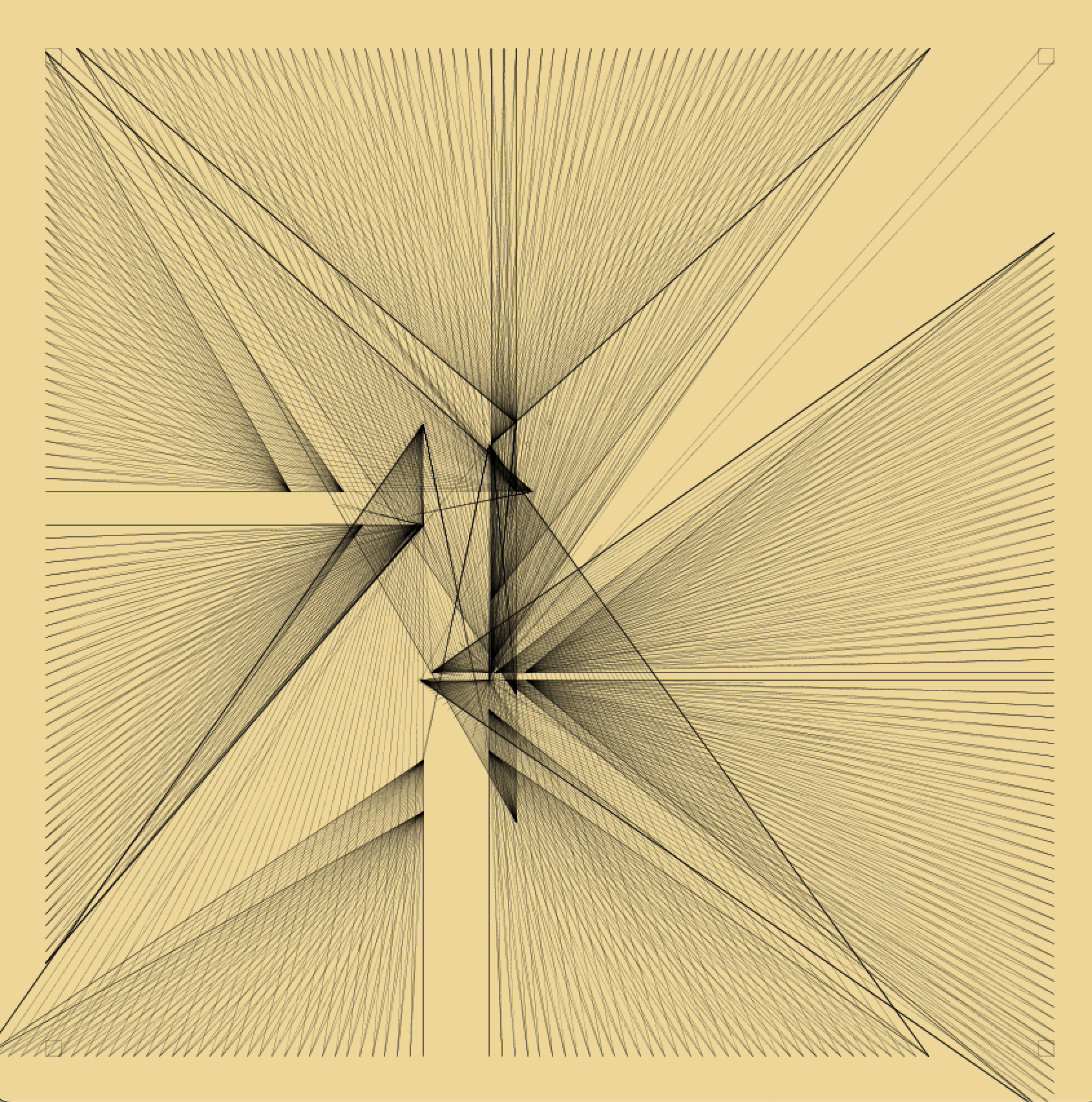
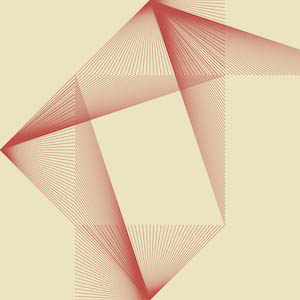
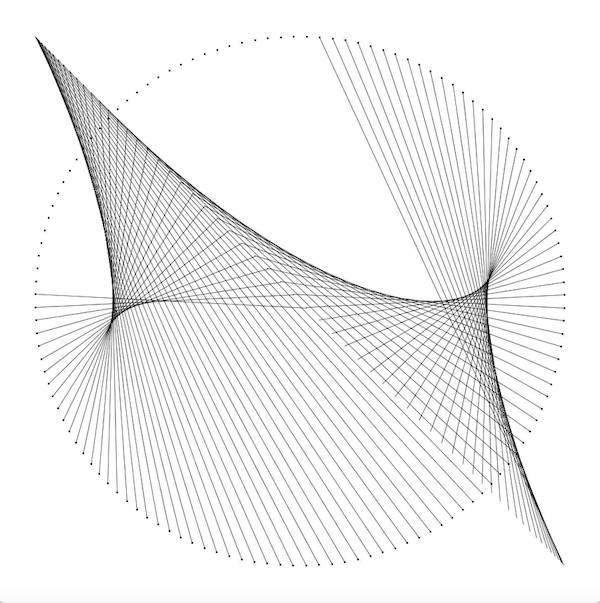
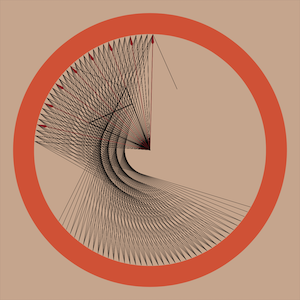
This study has a two-fold output:
|
|
|
|
|
|
|
|
|
|

|
|
|
|
|
|
||
|
|
|