Monopoly
Written on
November
11th,
2022
by
Tess Gaston
[see it live]
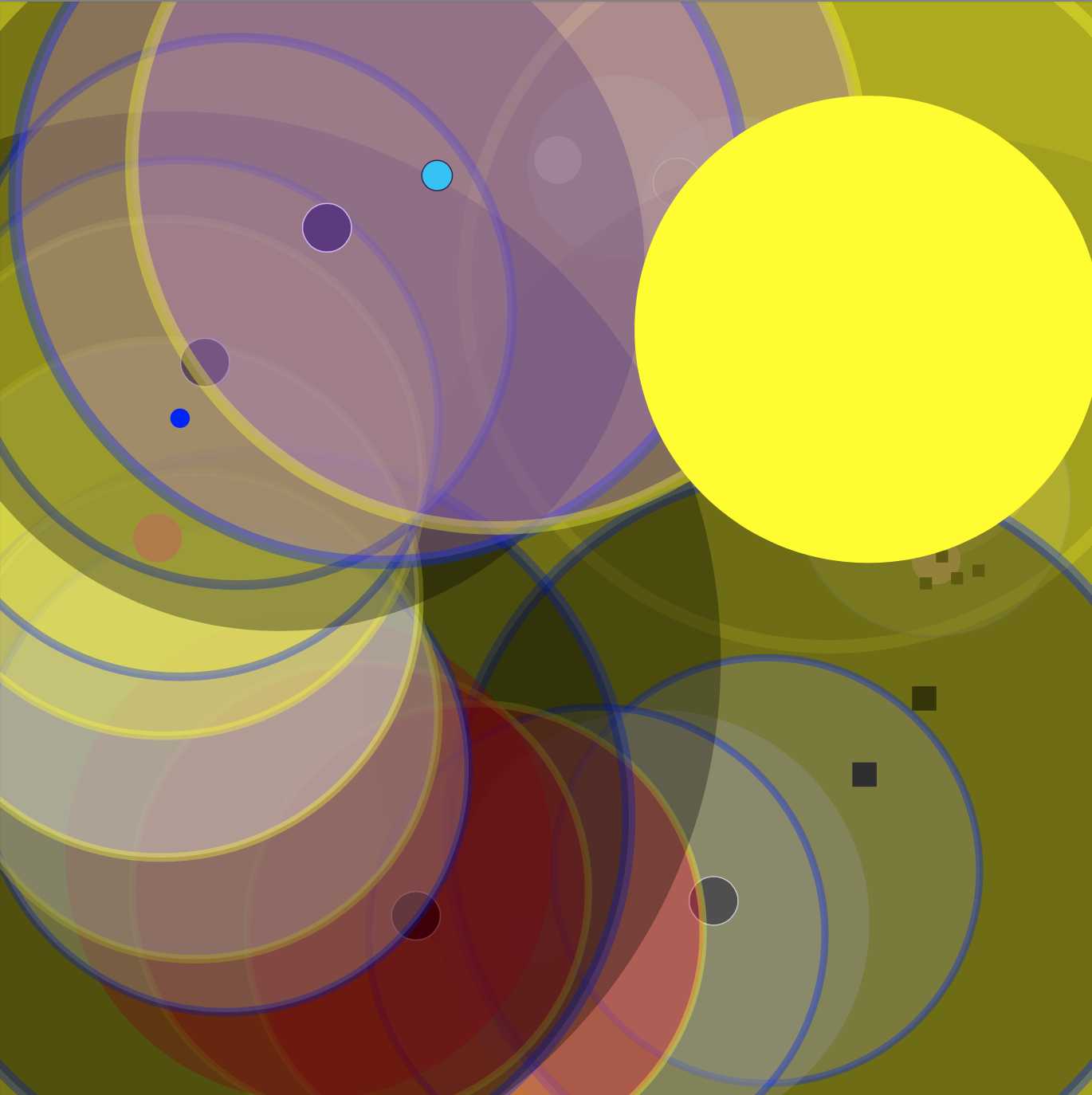
A genart engine that will create a unique image, based on the outcome of a scramble for property .
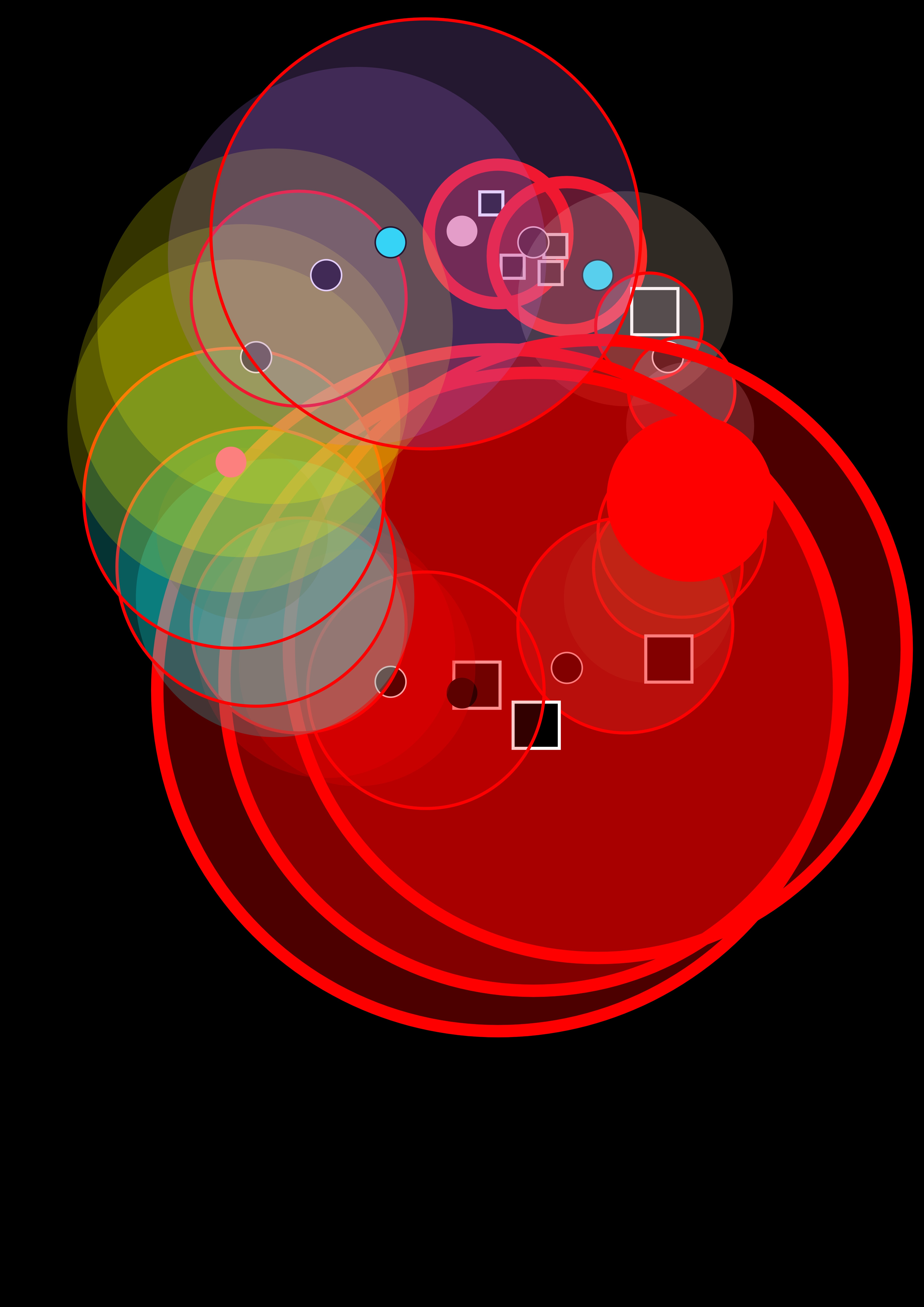
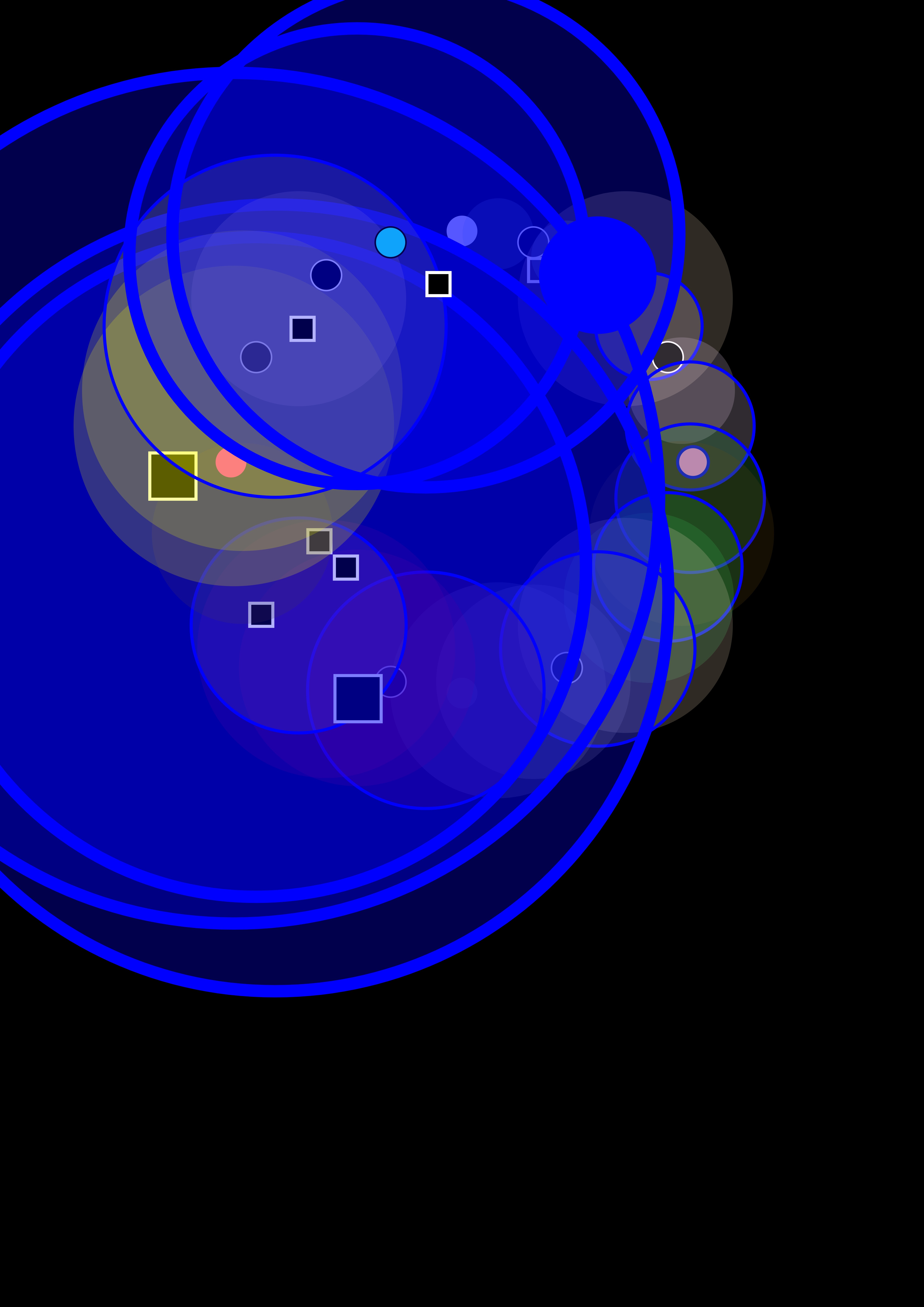
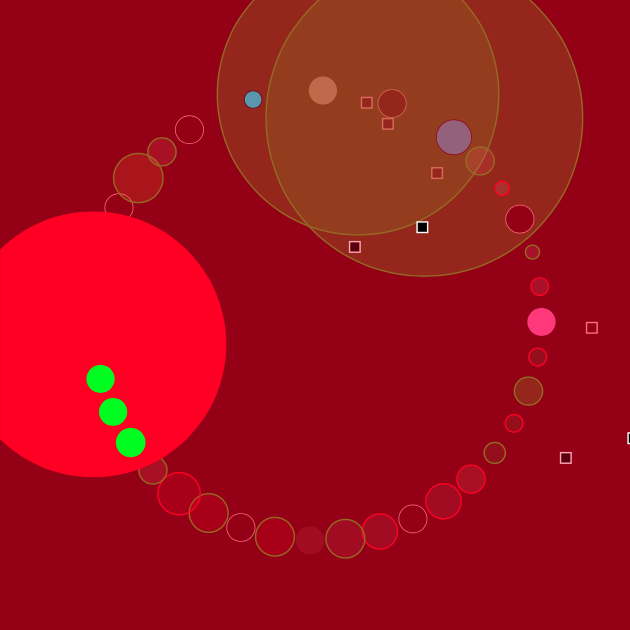
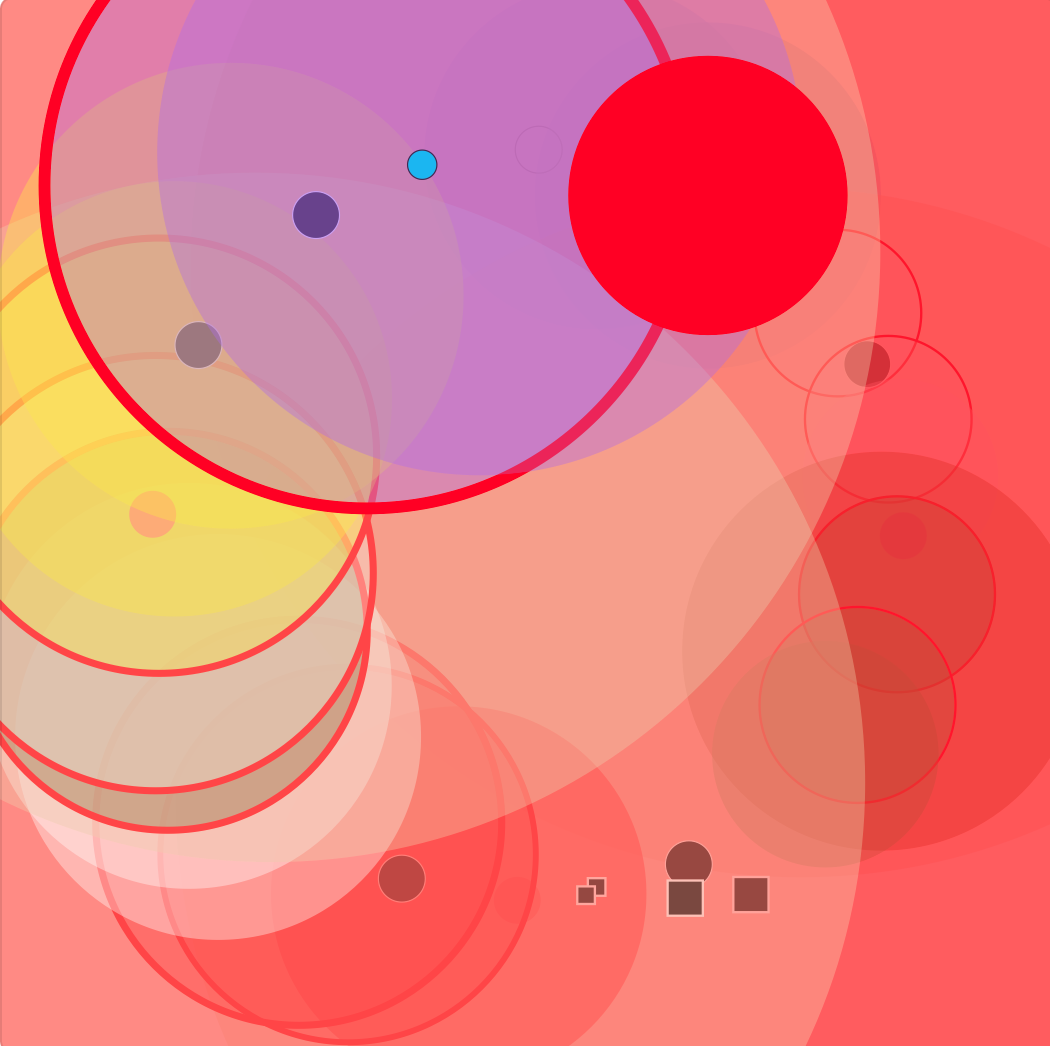
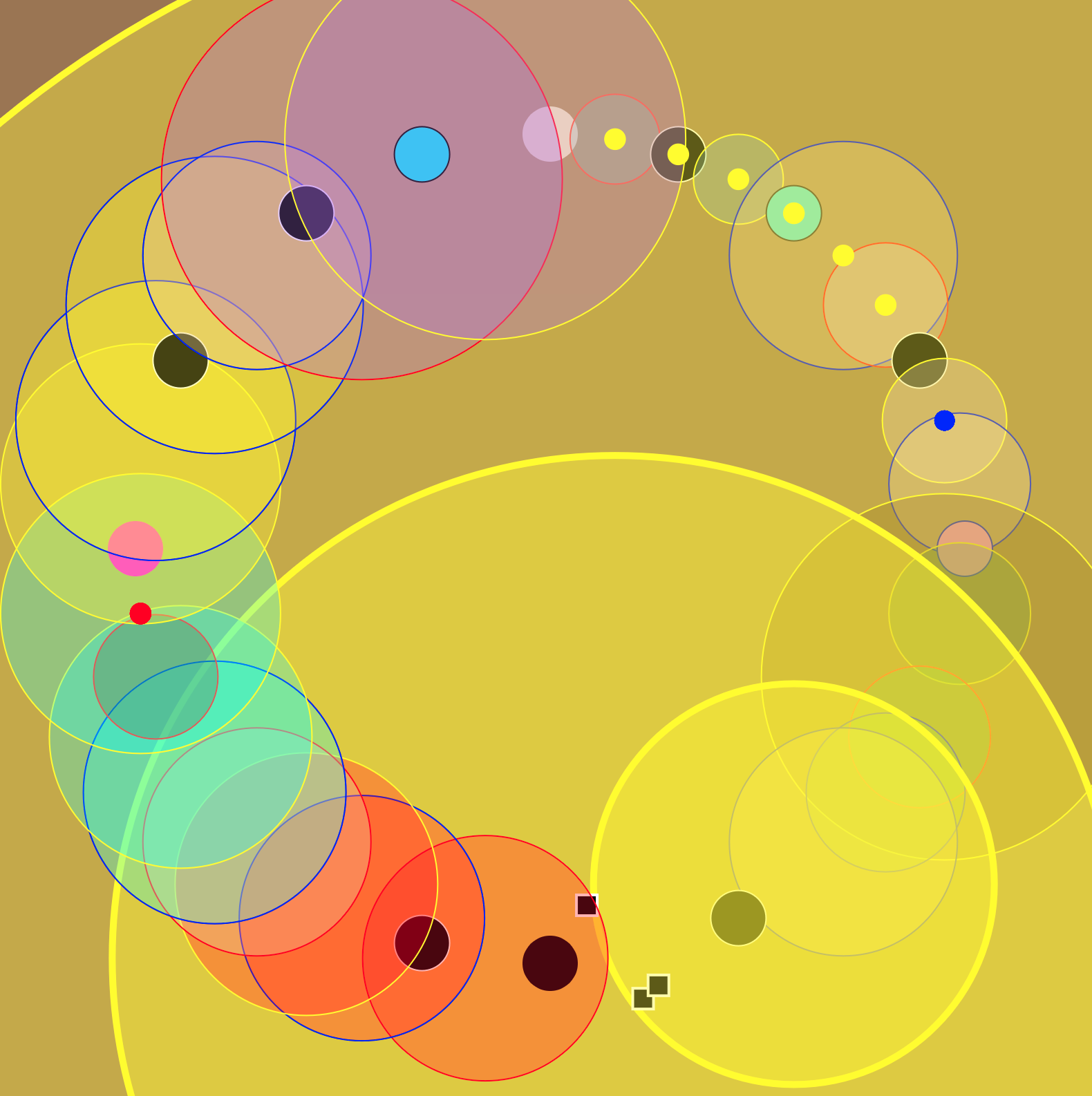
The algorithm follows the rules of capitalism, simplified by Monopoly, the board game. Shapes represent the artefacts of the game: fields, players and buildings.
The piece reflects on the mechanisms of greed, inequality and unfair advantages in a capitalist world. Aphorisms such as 'The rich getting richer', 'It is expensive to be poor', 'Greed is a bottomless pit' and 'The winner takes it all' is made explicit in this piece.
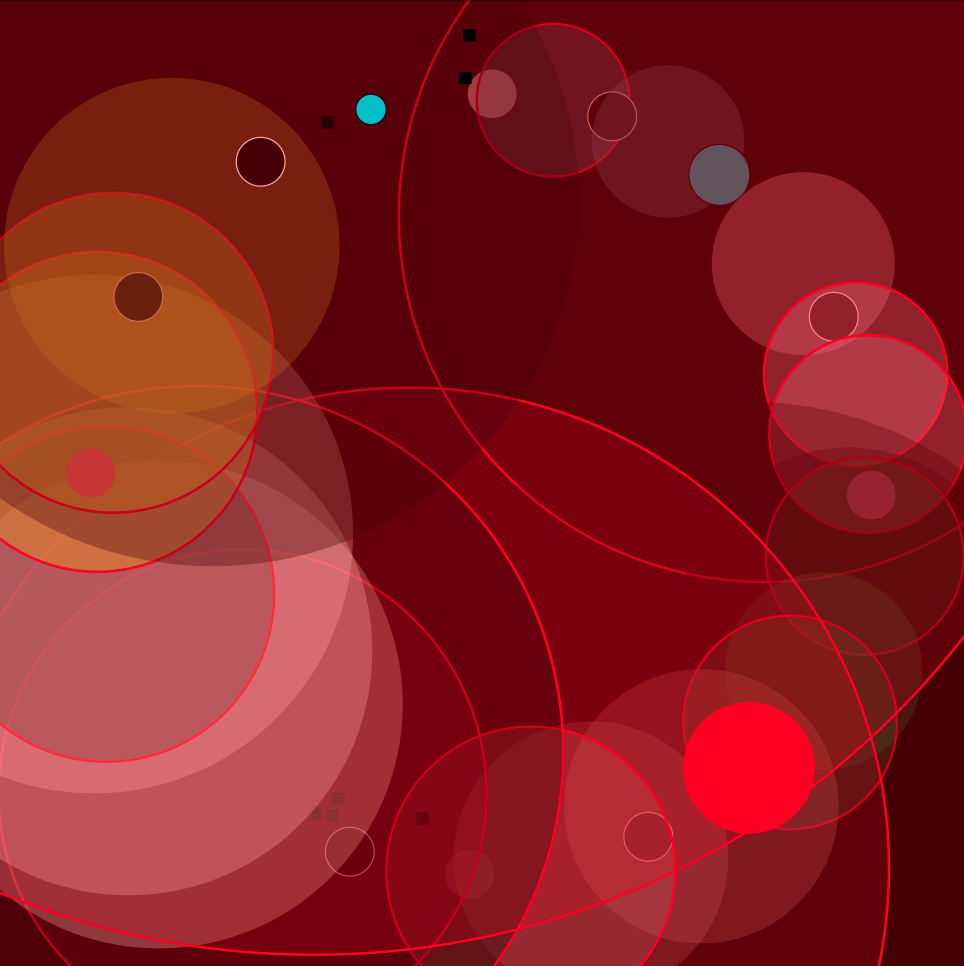
The canvas becomes a market where the financially successful will determine what colours and patterns can occupy space.
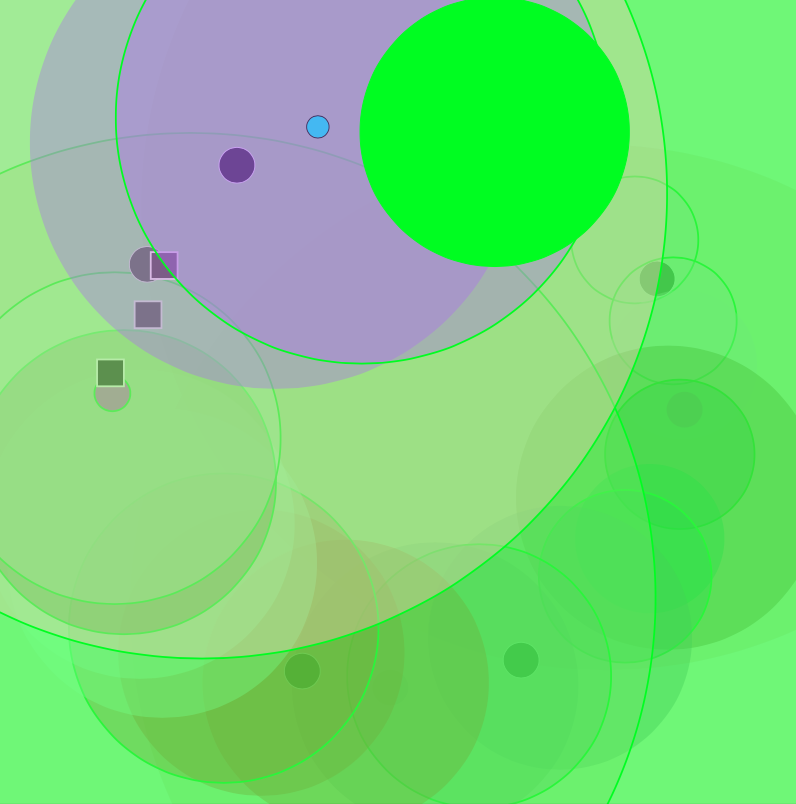
By winning the initial race of securing the most profitable assets, one player will start accumulating, while slowly draining the remaining players off their funds.
The irrelevancy of the losers is clearlong before the game ends. It is a slow killing, painful to watch, dragging out only to satisfy the winner's lust for more.
But sometimes, the enine shows a different, more social or egalitarian version of capitalism. This happens when everybody manages to secure themselves an equal income.
We then enter into an equilibrium, where money will shift hands perpetually.
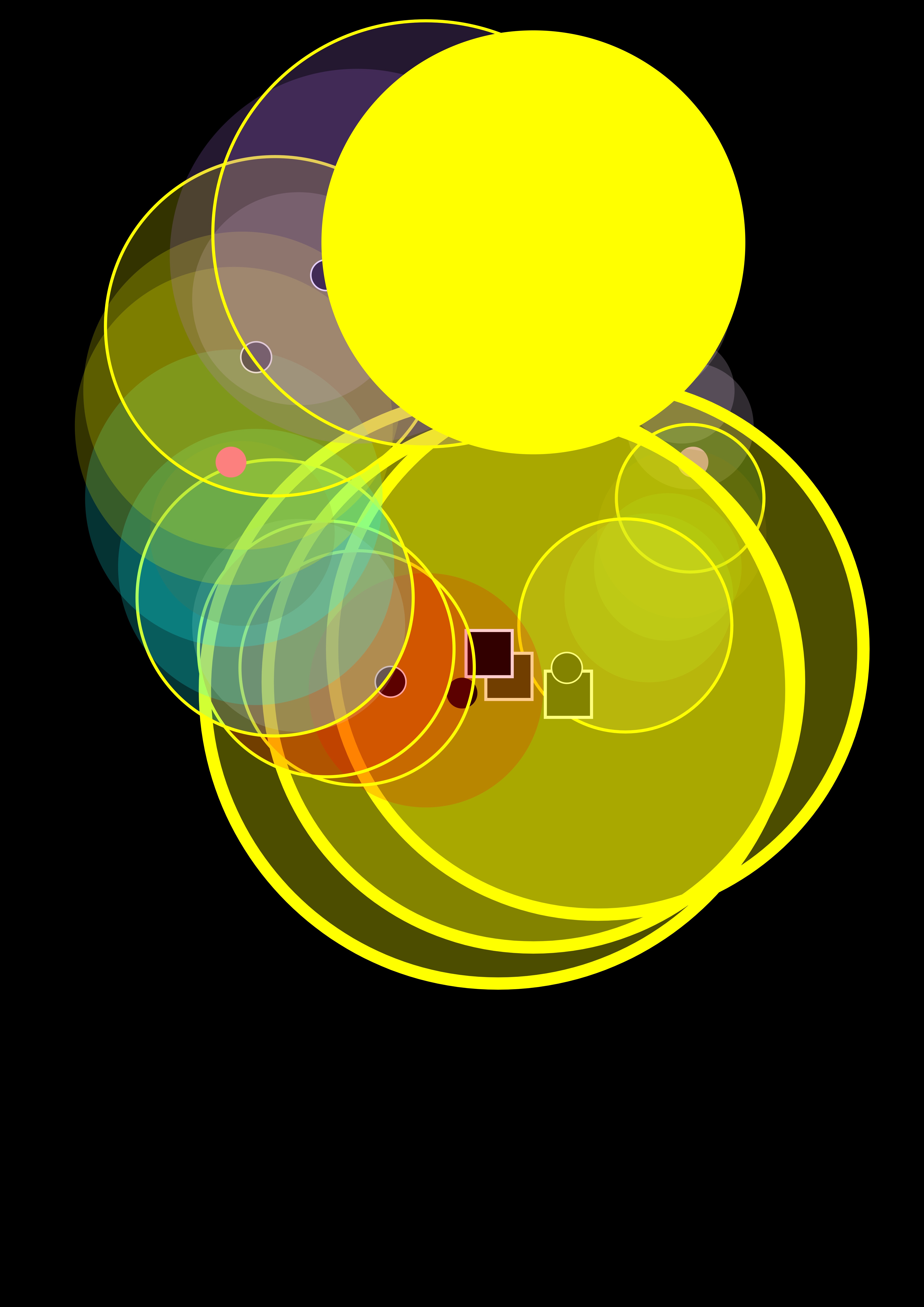
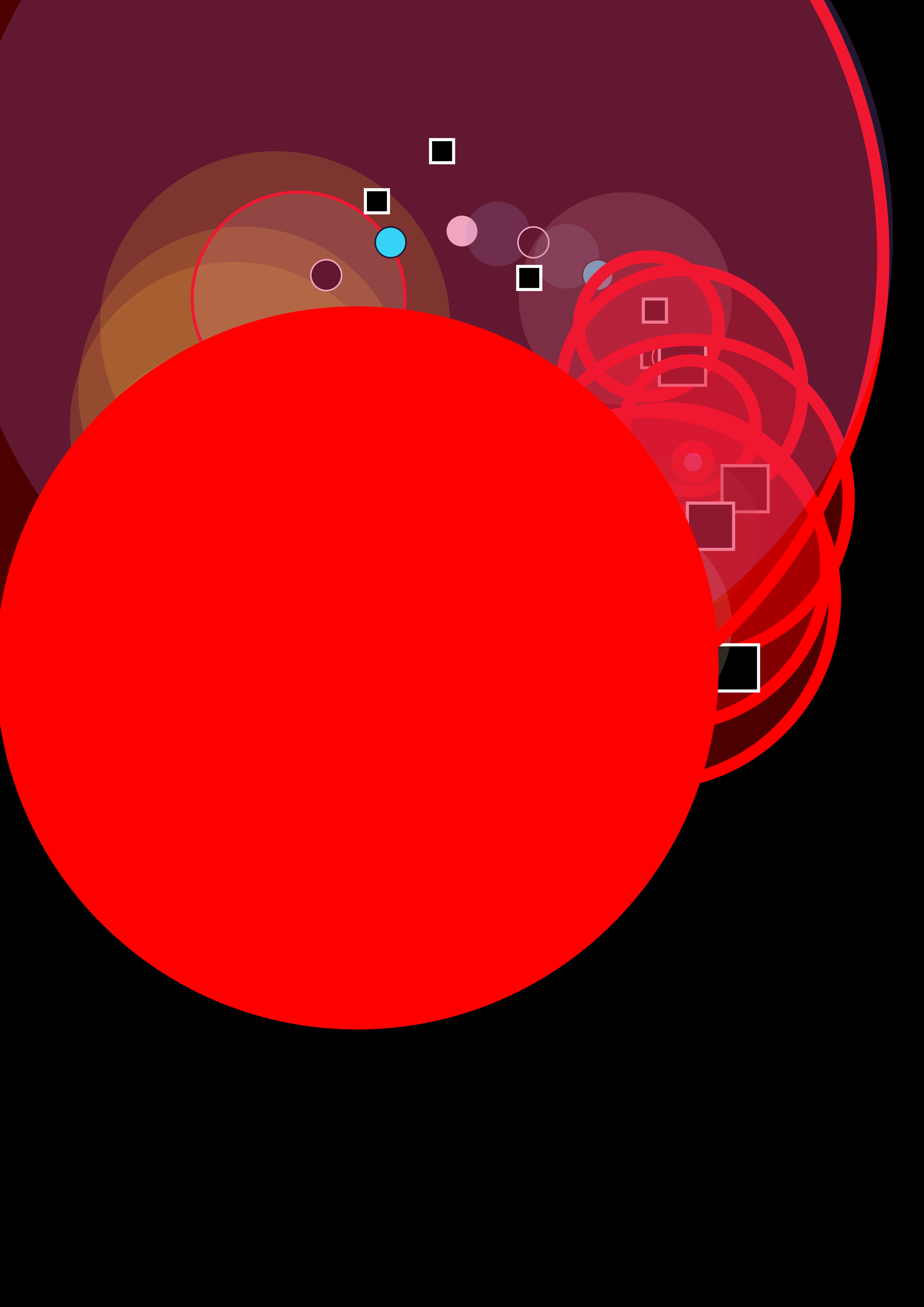
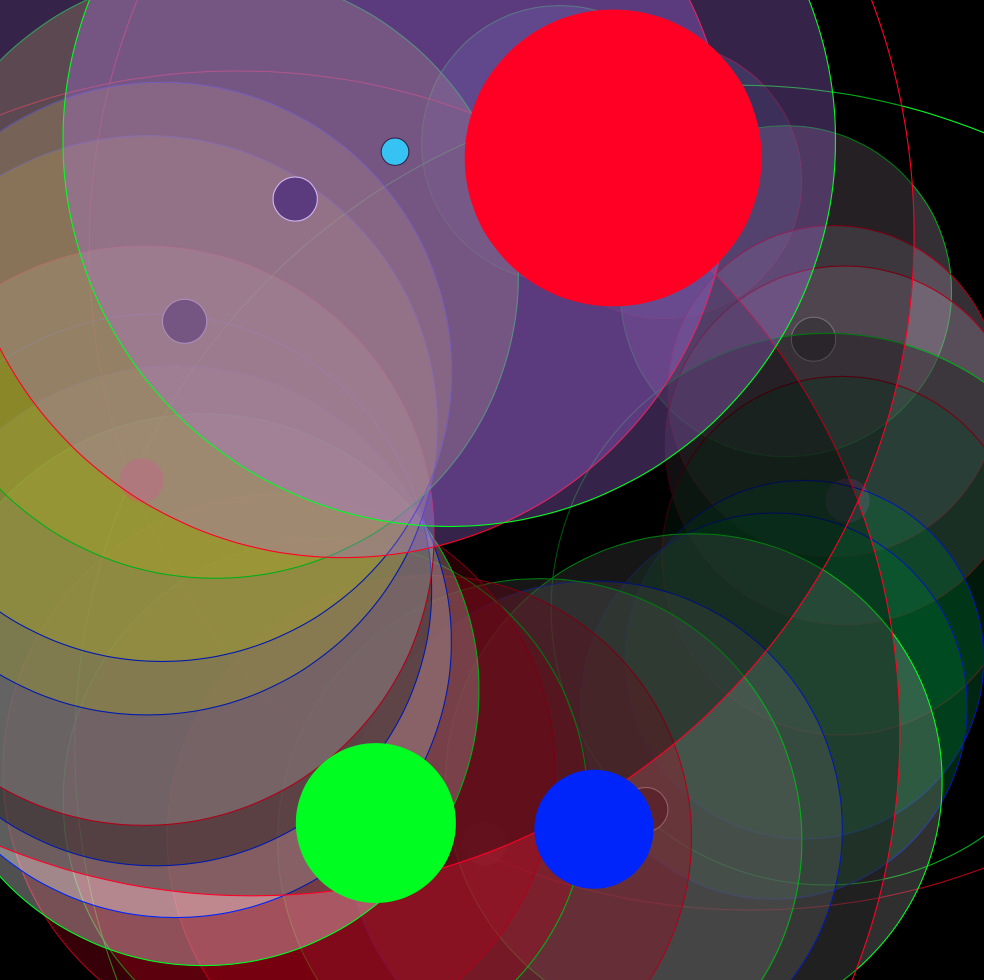
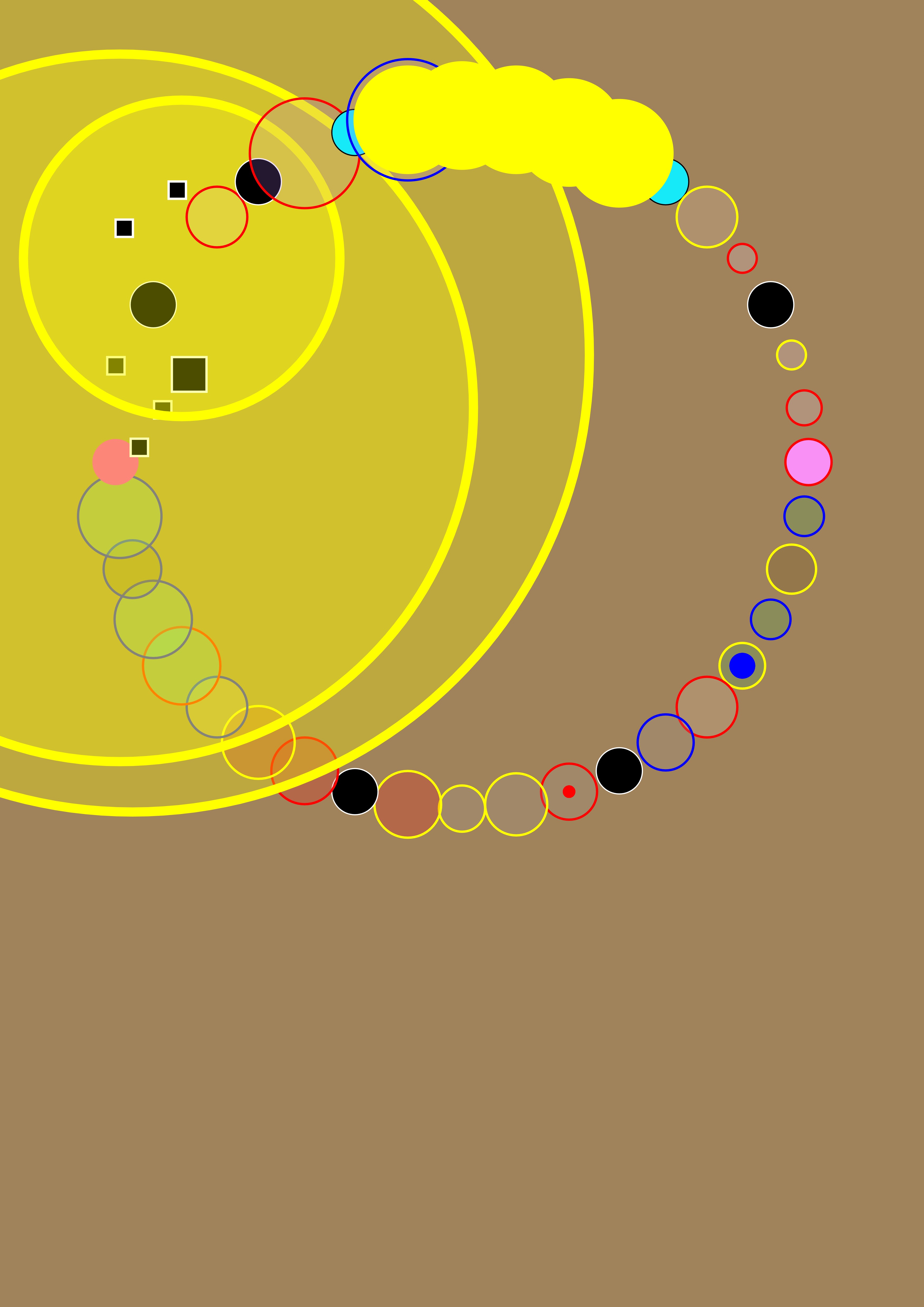
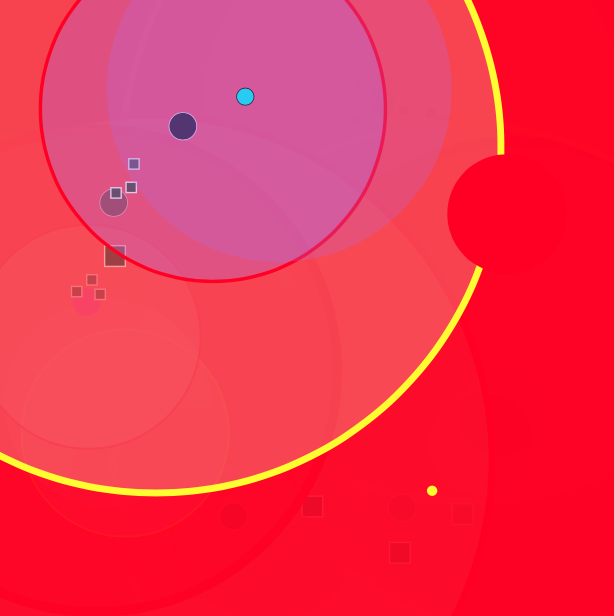
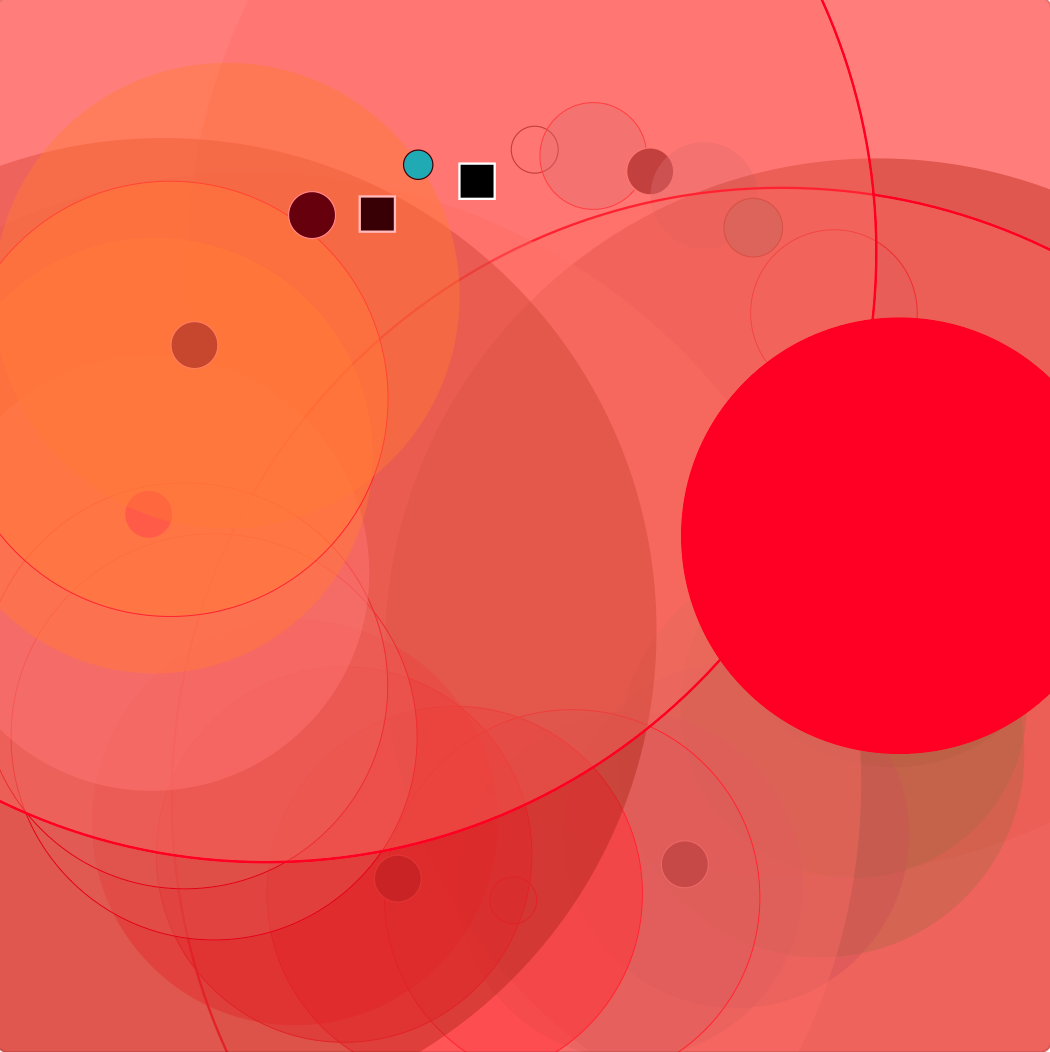
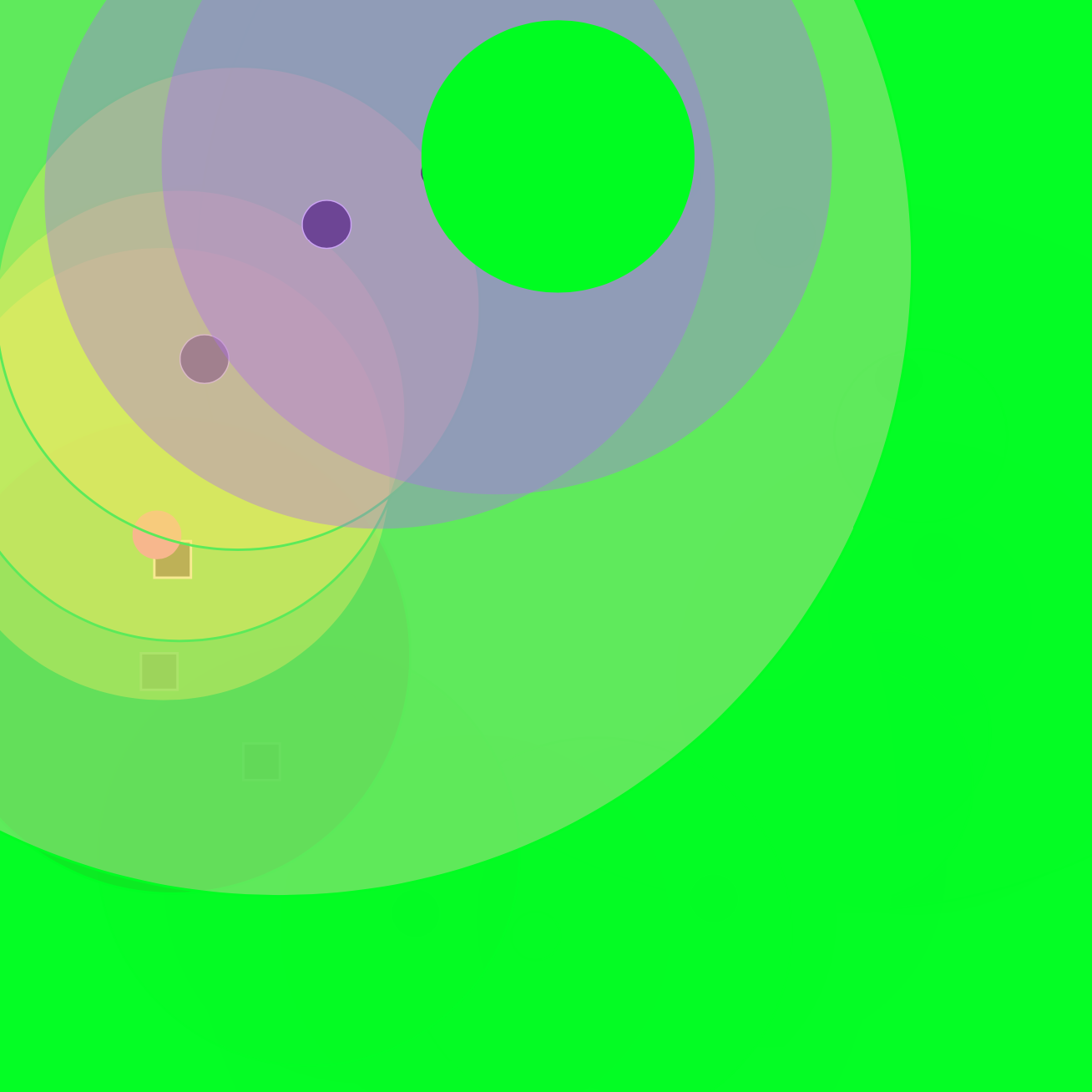
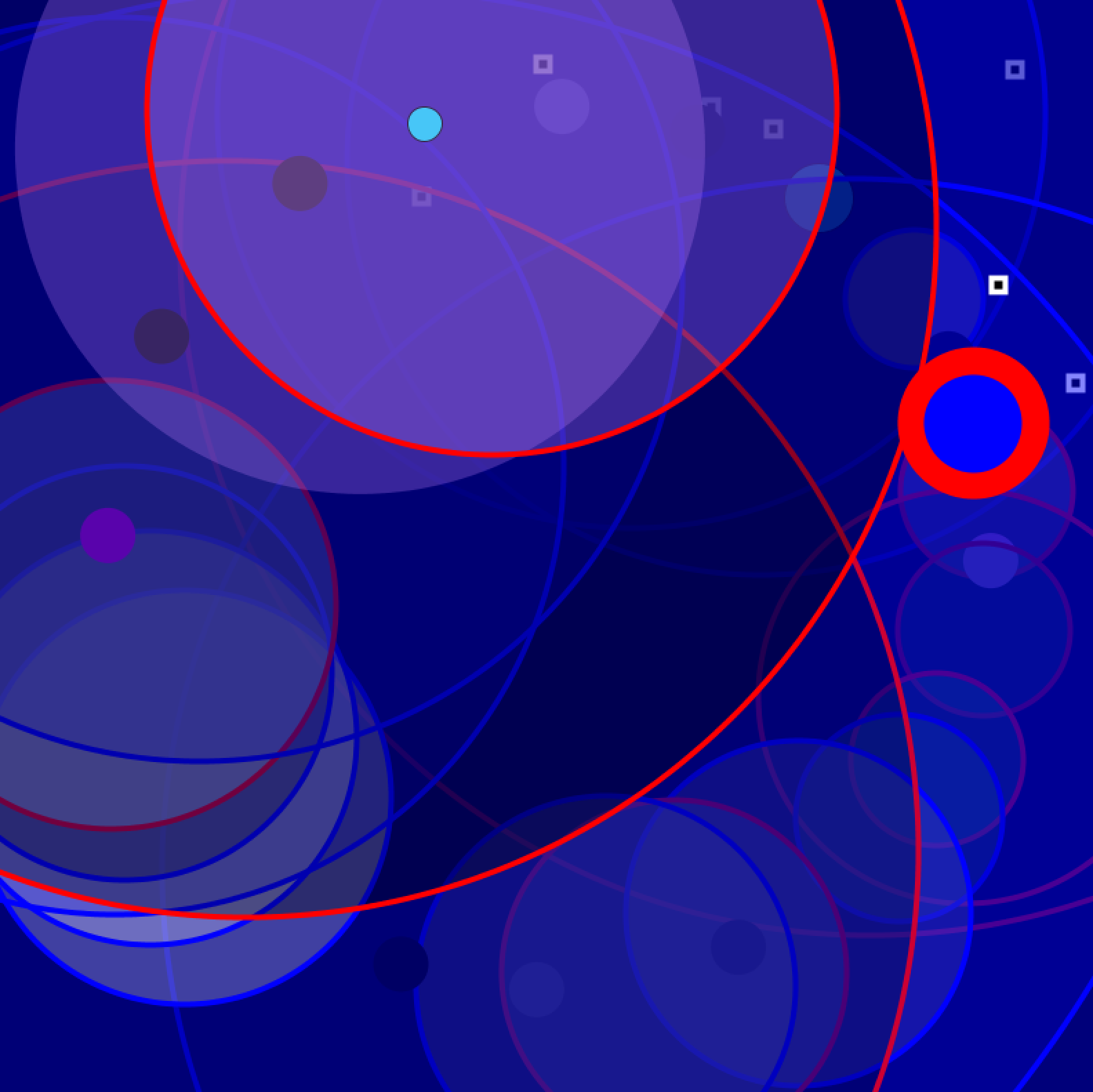
The common wealth of the players will inflate them all, to an extent where their bodies obstruct the view of the world completely.
This comments on the invasiveness of a civilisation obsessed with growth, that is leading us to over-consumption and our departure from nature.
[Try it]
What does equality look like?
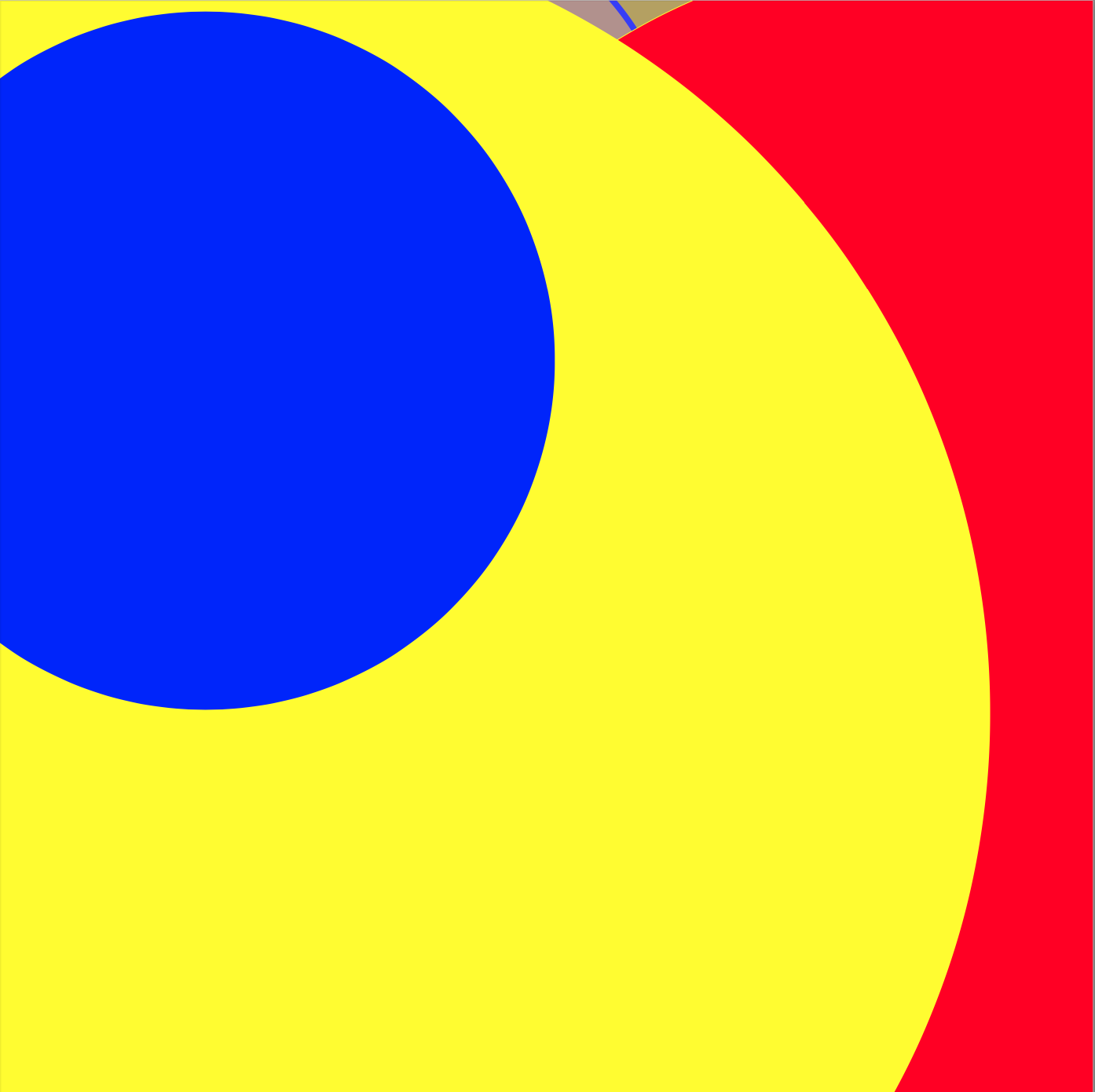
Occasionally no one manages to get a monopoly, the initial equality persists. Neither wealth or powerty exists. No houses will be build and nothing will stop the cirle of money changing hands. As new money is continually added to the system and no one can drain the others, the solid primary colors of the players will eventually take over the entire screen.
And inequality?
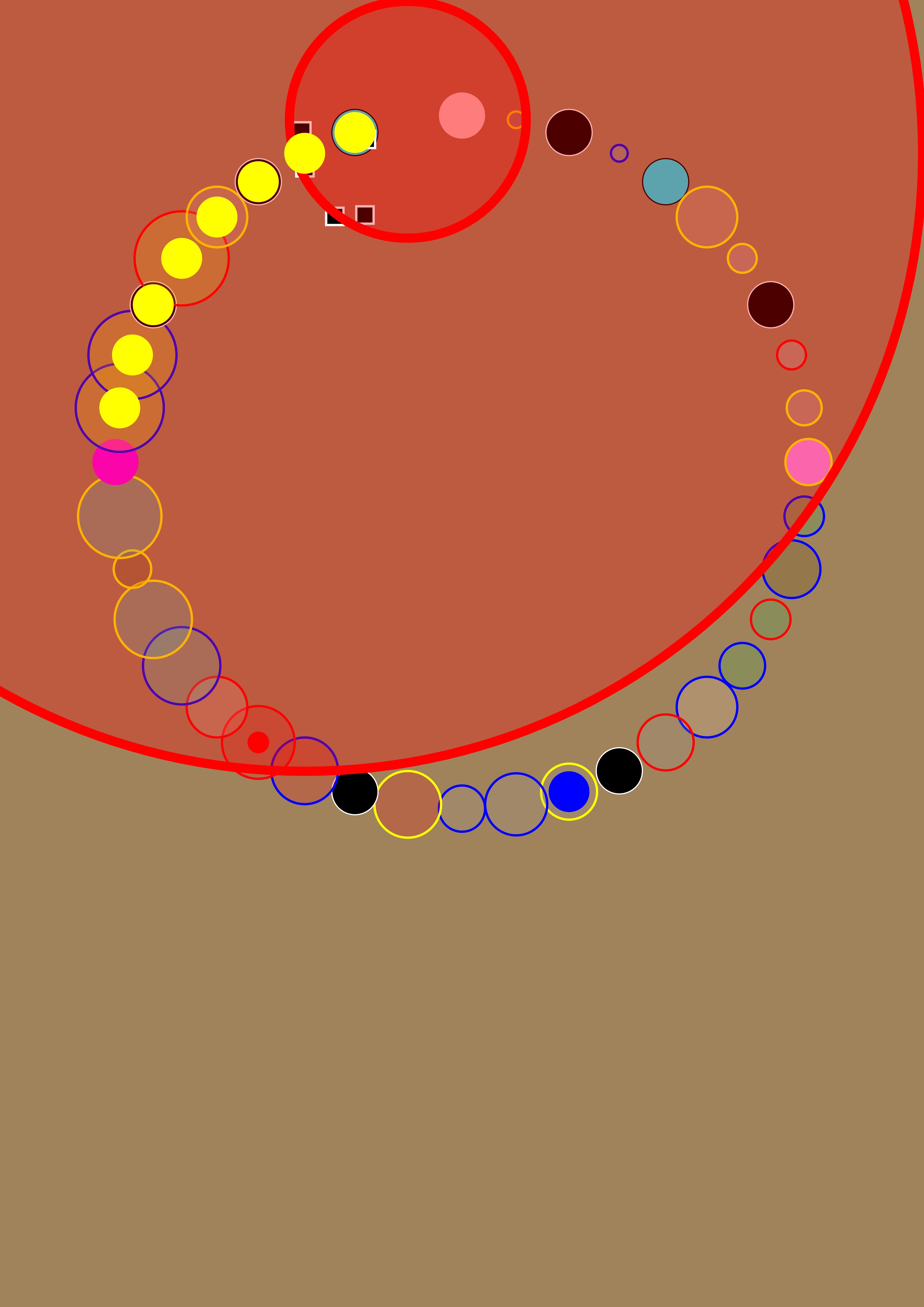
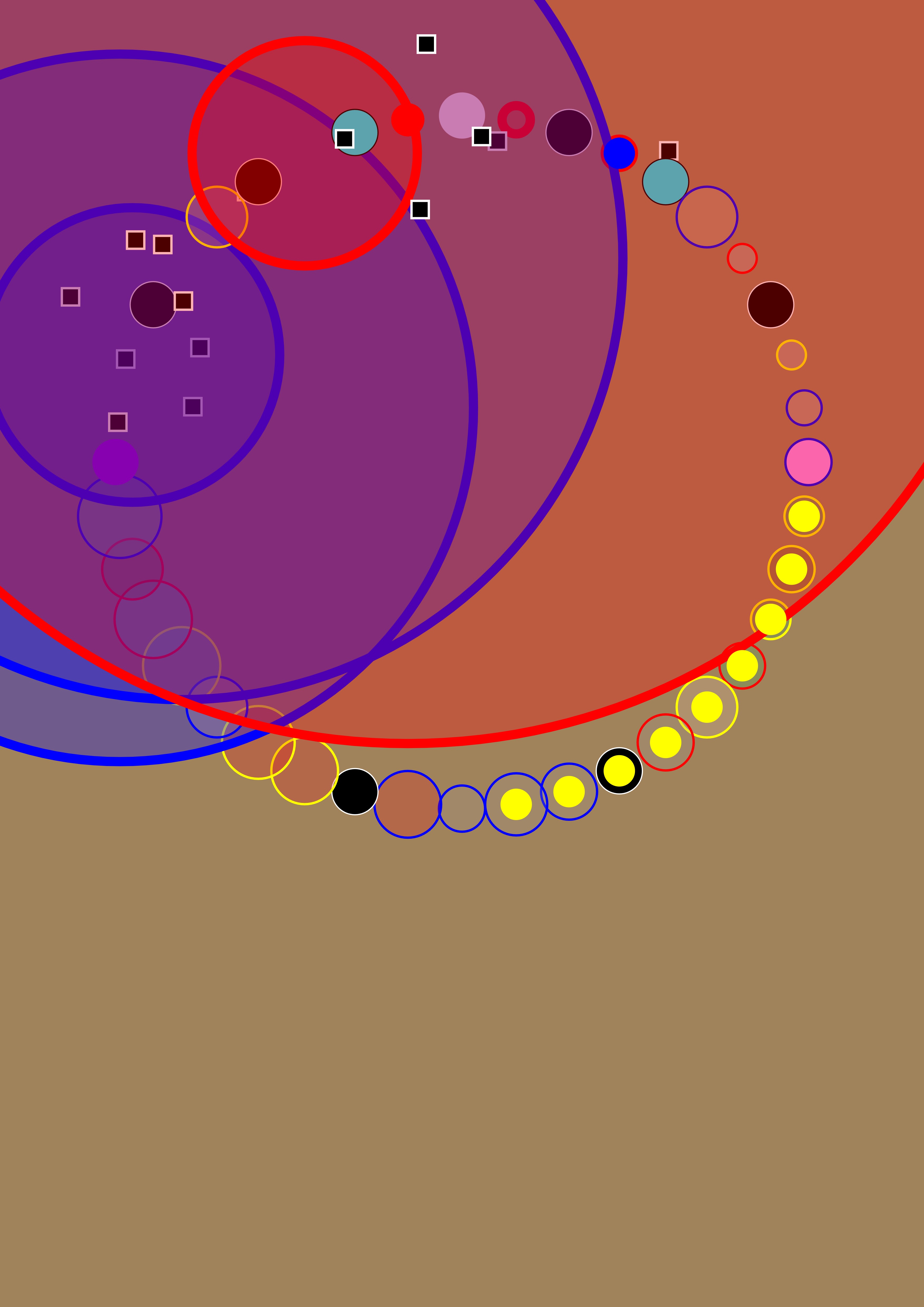
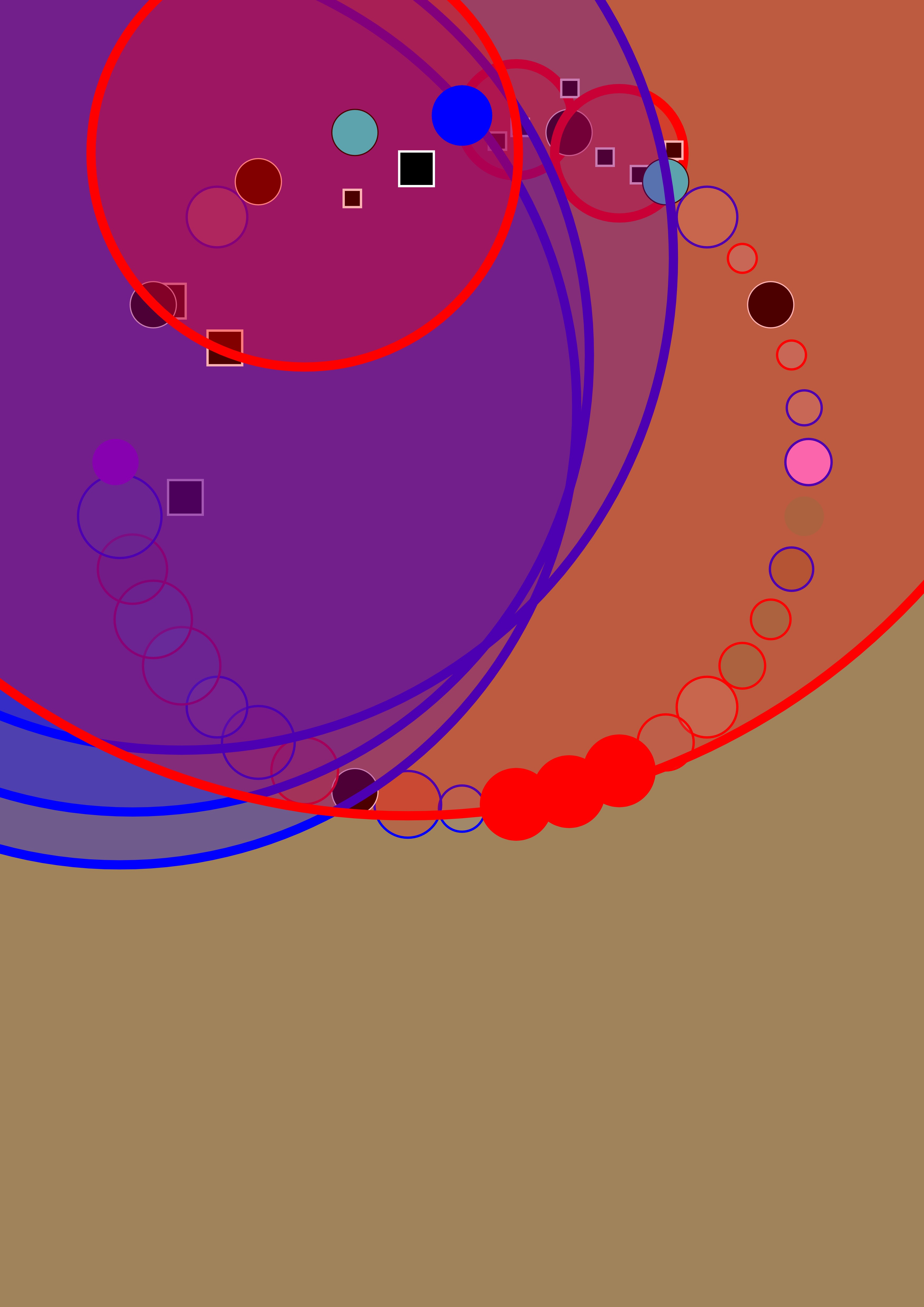
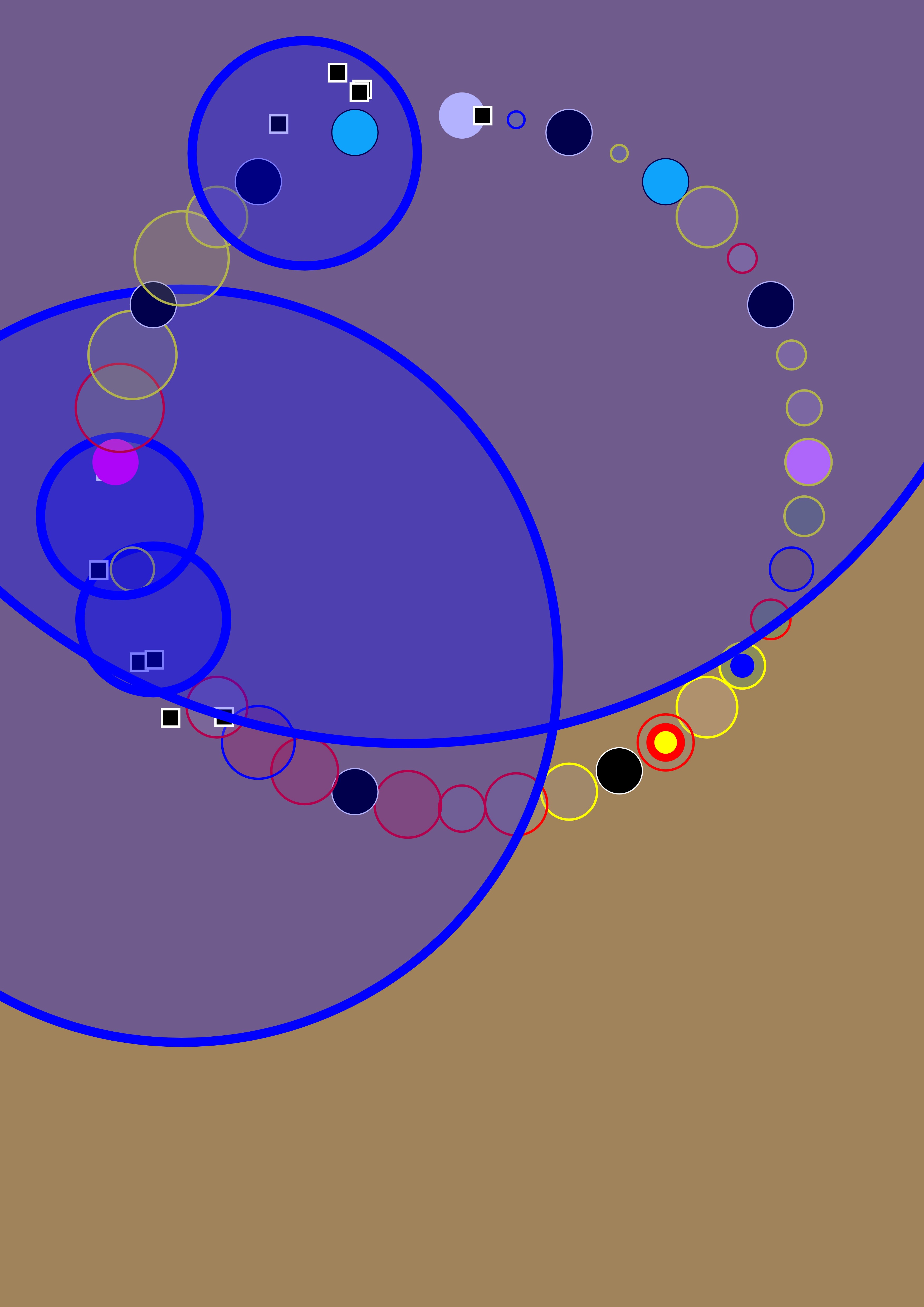
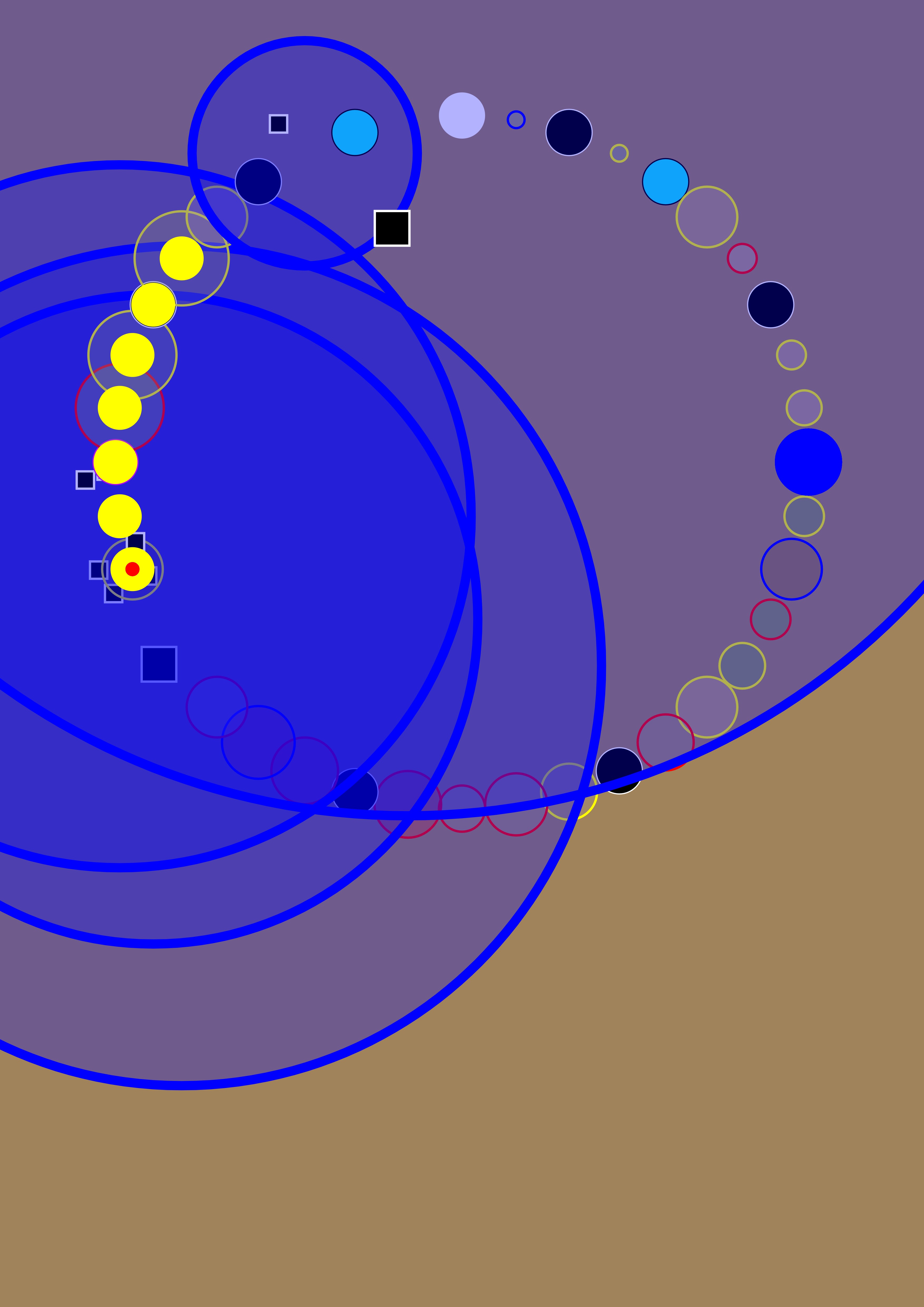
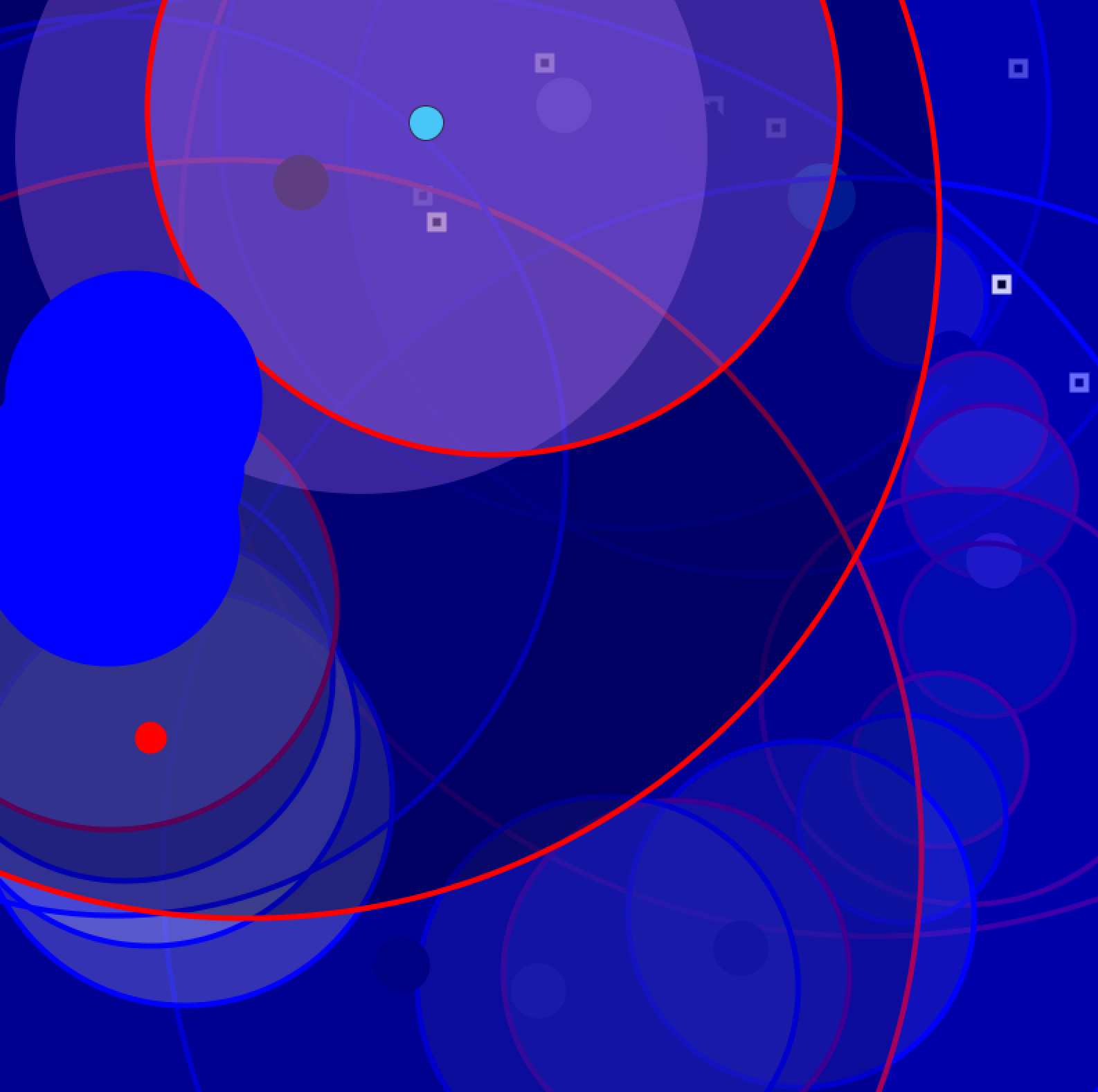
Once a ranking between the players has been established, it is almost impossible to shift the balance. Still embedded in the game mechanism, loosers are guarantied to have just enough to continue playing long after the winner is found. Meanwhile winners will continue increasing their possesion draining all other players and turning them into tiny dots before they disappear.
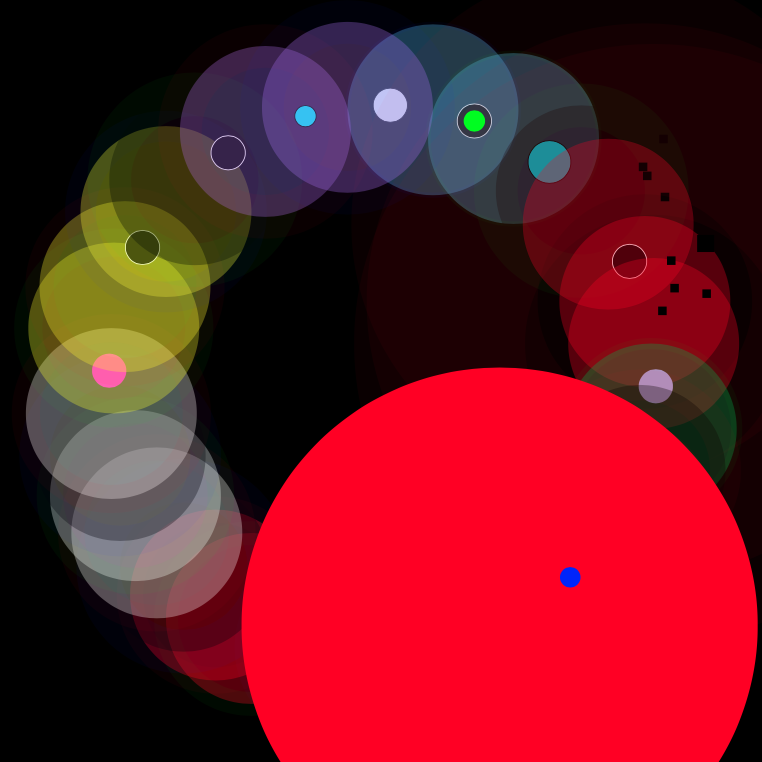
Mid-game snapshots
What is Monopoly ?
description of the rules (this text is generated using Open.ai):
Monopoly is a board game in which players roll two six-sided dice to move around the game board, buying and trading properties, and collecting rent from other players. The goal of the game is to become the wealthiest player by buying, trading, and developing properties, and ultimately driving your opponents into bankruptcy.
The game board consists of 40 spaces, arranged in a square with four corners and a circular track around the outside. Each corner represents a different stage of the game: "Go," "Jail," "Free Parking," and "Go to Jail." The middle of the board is made up of nine "color groups" of properties, which players can buy and develop with houses and hotels. The remaining spaces on the board are "Chance" and "Community Chest" spaces, which give players the opportunity to draw cards that can either help or hinder their progress in the game.
Each player starts the game with a certain amount of money and a set of playing pieces, which they use to move around the board. Players take turns rolling the dice and moving their pieces clockwise around the board, according to the number rolled. When a player lands on a property, they can choose to buy it if it is not already owned, or they must pay rent to the owner if it is already owned. If a player lands on a "Chance" or "Community Chest" space, they must draw a card and follow its instructions. If a player lands on "Go to Jail," they must go to the "Jail" corner of the board and cannot collect their salary for the next three turns.
As players buy properties, they can develop them with houses and hotels, which increases the rent that other players must pay when they land on those properties. Players can also trade properties with each other, giving them the opportunity to create "monopolies" of properties in the same color group. This allows them to charge higher rents to other players who land on those properties.
The game ends when only one player is left with any money or assets. This usually happens when all other players have gone bankrupt and have been eliminated from the game. When this happens, the remaining player is declared the winner.
## No hierarchy win